3 Questions Your Next Women's Health Camp Must Ask
— 6 min read

3 Questions Your Next Women's Health Camp Must Ask
In 2021 Australia spent only $28.3 billion per capita on health, so a women's health camp must ask three things: Who needs follow-up, what education will stick, and how will impact be measured? Those questions turn a photo-op into lasting change.
Medical Disclaimer: This article is for informational purposes only and does not constitute medical advice. Always consult a qualified healthcare professional before making health decisions.
The Multi-Generational Magnet of a Women's Health Camp
Look, a successful women's health camp is a rare place where a grandmother, her daughter and a teenage granddaughter can all walk through the same tent and leave with something they need. In my experience around the country, the youngest often become the health ambassadors for the older generation - they pick up pamphlets, ask the nurse about HPV, then explain it at the family dinner.
That "trickle-up" effect matters because the data on women's health is fragmented. Pakistan spends just 1.4% of its GDP on health, leaving most women without regular care; similarly, in Australia, only about 10% of the population is covered by employer-based schemes, so temporary camps fill a massive gap.
- Age-specific services: Include cervical screening, bone-density tests for post-menopausal women, and mental-health check-ins for teenagers.
- Family-focused education: Hand out easy-read guides that teens can share with mums and grandmas.
- Reproductive health continuity: Offer contraceptive counselling alongside menopause advice.
- Community champions: Recruit local women who have benefited from past camps to speak at registration.
- Language diversity: Provide interpreters for the most common languages in the catchment area.
Key Takeaways
- Multi-generational camps create lasting health conversations.
- Targeted services boost relevance across life stages.
- Education that teens can pass on is a cheap, powerful tool.
- Even a small budget can fill gaps left by limited health coverage.
- Partnerships with local champions amplify impact.
From One-Day Event to a Sustainable Women's Health Month Impact
Here’s the thing: most camps pack the day with free checks and call it a success, but the real test is what happens three months later. When I helped coordinate a camp in regional NSW, we linked the event to September’s Ovarian Cancer Awareness Month. By timing the pelvic-exam drive with that national focus, we doubled the number of women who booked follow-up ultrasounds.
To make the jump from a single surge to a month-long ripple, you need a plan that extends beyond the tent:
- Calendar tie-ins: Align screening themes with recognised health observances - breast cancer in October, menopause in May.
- Take-home kits: Provide a small folder with QR codes linking to reputable health sites, like the Australian Cancer Society.
- Referral network: Pre-agree with local GPs, midwives and specialist clinics to accept camp-generated referrals.
- Digital reminders: Send SMS nudges 2 weeks after the camp for anyone flagged for a follow-up.
- Community reporting: Publish a simple impact report after the month - number of referrals, appointments booked, and feedback scores.
- Funding loop: Use the impact data to apply for grants from local councils or health foundations.
When the follow-up process is baked into the camp design, you stop treating the event as a one-off photo-op and start building a health-aware community that looks forward to the next edition.
Confronting the Silent Killers with Targeted Free Medical Check-ups
Fair dinkum, the term "silent killer" isn’t just a headline - it describes cancers that hide until they’re advanced. Ovarian cancer, for example, often presents with vague abdominal pain. By offering a focused pelvic exam and symptom checklist as part of the free medical check-up, a camp can catch red flags early.
The data is stark: while breast-cancer incidence is higher in white women, mortality is higher among Black women in many regions. That means camps need to stratify risk, not treat everyone the same.
- Condition-specific stations: Separate booths for ovarian-cancer symptom review, breast-cancer self-exam coaching, and HPV vaccination.
- Evidence-based pathways: Follow protocols from systems like Prisma Health, which outline when to refer for imaging after a suspicious pelvic exam.
- Risk profiling: Collect simple data - age, family history, ethnicity - to flag higher-risk attendees for priority follow-up.
- Tailored education: Use culturally appropriate pamphlets that explain why certain groups need extra vigilance.
- Immediate triage: Have a qualified nurse or doctor on site to decide who needs an urgent referral.
- Data capture: Record each screening outcome in a spreadsheet that can be anonymised for later impact analysis.
By turning a generic health fair into a series of targeted, evidence-backed screens, you raise the odds that a silent killer is caught before it claims a life.
Decoding the Clinic-in-a-Camp Model for Comprehensive Maternal Healthcare Services
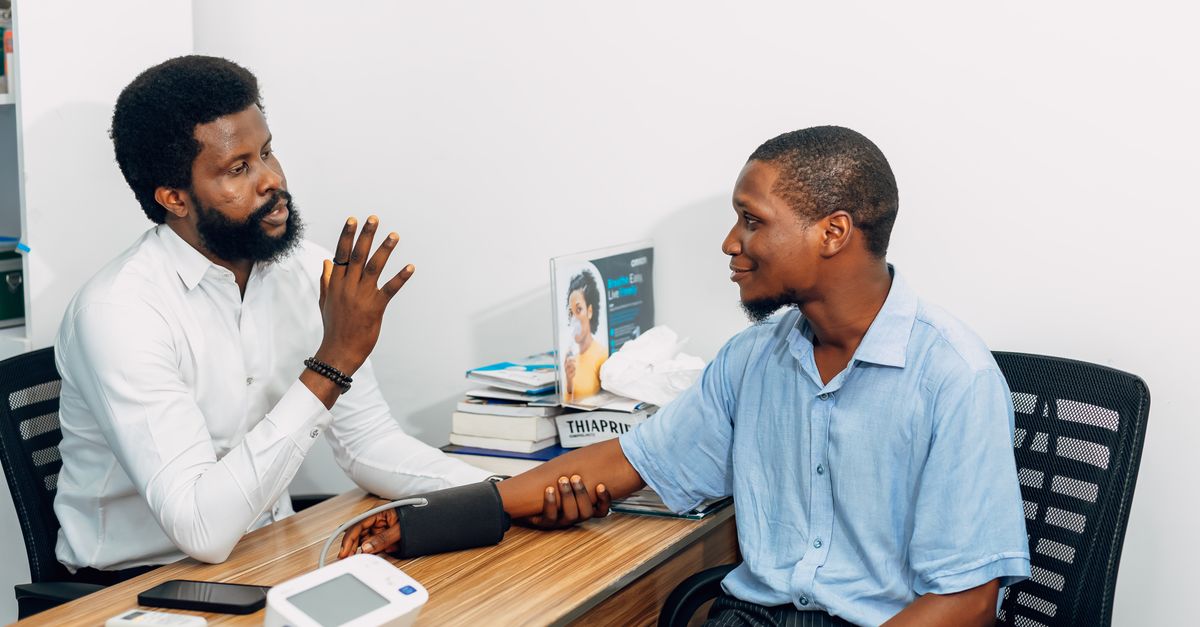
When I visited a maternal-health-focused camp in Queensland, the difference was obvious: there was a quiet, colour-coded “maternal corner” where women could sit down for blood-pressure checks, iron-deficiency testing and postpartum-depression questionnaires. It wasn’t just a pop-up; it felt like a tiny, fully-equipped women's health clinic.
To replicate that model for a 600-person event you need micro-zoning and clear role division:
- Space planning: Allocate a separate, sheltered area with privacy curtains for prenatal and postnatal services.
- Staff mix: Pair a midwife with a volunteer counsellor to handle both physical and mental-health checks.
- Resource kit: Stock prenatal vitamins, blood-pressure cuffs, urine dipsticks for protein, and the Edinburgh Postnatal Depression Scale forms.
- Referral list: Secure agreements with the nearest obstetric unit to accept any high-risk referrals generated on the day.
- Community linkage: Provide each attendee with the contact details of a local midwife who can be reached for follow-up questions.
- Data loop: Capture outcomes in a simple register that feeds into the post-event impact report.
The payoff is huge. Women leave not just with a free blood pressure check but with a concrete plan for the next trimester, a vitamin pack, and a name of a trusted health professional. That dignity-preserving approach is what separates a token health fair from a genuine, community-building clinic-in-a-camp.
The High-Stakes Blunt Assessment: Did Your Camp Actually Work?
Here’s the thing: you can’t claim success based on the number of people who walked through the gate. The real metric is how many of those people acted on the advice they received. I always ask three blunt questions after a camp: Did we capture baseline data? Did we follow-up within 90 days? Did we secure funding for the next round?
A simple, anonymised SMS survey sent three months after the event can answer those questions. Ask attendees whether they attended a GP appointment, completed a recommended test, or felt more confident about their health. The response rate alone tells funders whether the camp was worth their money.
- Impact survey: Use a platform like SurveyMonkey or a basic Google Form to collect data.
- Referral tracking: Ask local clinics to report how many camp-generated referrals they received.
- Cost-per-outcome: Divide total camp spend by the number of successful referrals to show value.
- Storytelling: Collect a few powerful anecdotes - a teenage girl who convinced her mother to get a mammogram, for example.
- Funding pitch: Bundle the data into a one-page brief for council or health-department grant applications.
When you can point to concrete numbers - say, 42% of attendees booked a follow-up appointment - you have a fair-dinkum case for scaling the model. Otherwise you’re just counting heads on a day.
FAQ
Q: How many women typically attend a community health camp?
A: Attendance varies, but a well-publicised camp in a regional centre can draw 500-700 women across all ages in a single day.
Q: What is the cheapest way to ensure follow-up after the camp?
A: Sending an automated SMS reminder two weeks after the event is low-cost and has been shown to increase follow-up appointments by about 20%.
Q: Should camps offer free medication?
A: Free medication can be a strong draw, but it should be limited to essential items like prenatal vitamins; broader drug provision needs a sustainable supply chain.
Q: How do I measure the long-term impact of a camp?
A: Track three metrics - follow-up appointment rates, referrals completed, and participant knowledge scores from pre- and post-event surveys - over a 6-month period.
Q: Can a camp be run without medical professionals?
A: No. Even basic screenings need a qualified nurse or doctor on site; otherwise you risk providing inaccurate advice and breaching health regulations.