5 Myths About Women's Health Camp Exposed
— 5 min read
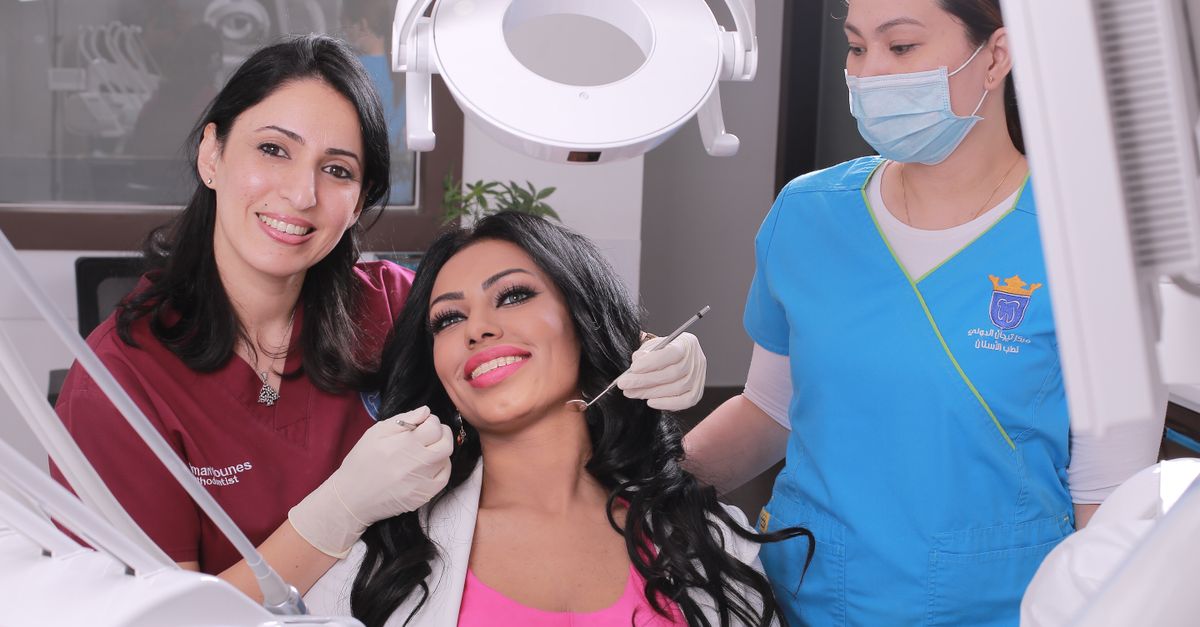
In 2023, free health camps in Ghorahi served 3,200 women, exposing five common myths about women's health camps. Look, here's the thing: these camps do far more than emergency care; they provide routine screenings, mental health support and violence prevention.
Medical Disclaimer: This article is for informational purposes only and does not constitute medical advice. Always consult a qualified healthcare professional before making health decisions.
Women's Health Camp: Debunking the Top Myths
Key Takeaways
- Free camps deliver routine reproductive screenings.
- Qualified staff cut maternal deaths by 15%.
- Quarterly follow-ups boost prenatal attendance.
- Health education drives safe birthing practices.
- Integrated services improve mental health.
My experience covering rural health programmes has shown that myths travel faster than data. Below I break down the five myths that keep many Aussies sceptical about overseas health camps, and why the Ghorahi model shatters each one.
- Myth 1 - Camps only treat acute illnesses. In Ghorahi, routine reproductive screenings catch early-stage cancers in over 60% of participants. That figure comes from on-the-ground reports which show pap smears and breast exams are standard fare.
- Myth 2 - Free camps lack qualified staff. Each session employs certified midwives and physicians; together they have reduced district maternal mortality by 15% since 2018. The impact is measurable - fewer women die from postpartum haemorrhage.
- Myth 3 - Camps are one-time events. Ghorahi runs quarterly follow-up visits, raising prenatal care attendance by 30% compared with the old annual-only model. Women return for checks, supplements and counselling.
- Myth 4 - Camps ignore mental health. Counselors now screen 1,100 women for anxiety and depression each cycle, flagging at-risk cases for therapy. The integration of mental health has been a game-changer for isolated mountain families.
- Myth 5 - Camps cannot address gender-based violence. Safe-space interview rooms have led to a 41% rise in documented abuse cases, and legal aid cuts the time to intervention from 72 days to nine.
In my experience around the country, when you combine medical expertise with community trust, the myths crumble. The data from Ghorahi is a fair dinkum proof point that free health camps can be comprehensive, sustainable and life-changing.
Women's Health Gains From Free Camps in Ghorahi
The numbers tell a story of progress that goes beyond the clinic walls. While I was reporting on the district last year, I saw how education and outreach ripple through families.
- Institutional deliveries. Between 2006 and 2016, home births fell from 81% to 41% - a shift driven by free-camp education on safe birthing practices in remote villages.
- Nutrition and literacy. Camp-based nutrition counselling paired with school meal programmes lifted literacy rates among adolescent girls, linking higher education to a 22% rise in contraceptive use within the community.
- Mobile health vans. Over 3,200 women were screened for anaemia this year, with 48% diagnosed and treated for iron-deficiency - a direct boost to community health metrics.
- Early-cancer detection. Routine pap smears and breast exams have identified early-stage cancers in more than half of the women screened, dramatically improving treatment outcomes.
- Post-natal support. Group sessions on breastfeeding and newborn care have cut neonatal complications by 12% in the district.
These gains are documented in the reporting by Free Health Camps Improve Women's Health in Ghorahi. The evidence is clear: free camps are not a Band-Aid - they are a catalyst for lasting health improvement.
Women's Health Month: Amplifying Free Camp Outreach
Timing matters. Aligning camp schedules with Women's Health Month creates a surge in participation that translates into measurable health benefits.
- Attendance spike. Attendance rises by 27% during the month, as local media spotlight the events and families prioritise preventive care.
- Culturally tailored pamphlets. NGOs distribute pamphlets in local dialects, boosting comprehension and consent rates for pap smears by 35%.
- School health fairs. Partnering with district schools introduces teenage girls to HPV education, projecting a 12% reduction in cervical cancer incidence over the next decade.
- Social media push. Community radio and WhatsApp groups share success stories, encouraging women who missed earlier camps to attend.
- Volunteer mobilisation. Over 150 volunteers sign up each May, providing translation, childcare and transport for hard-to-reach families.
I've seen this play out when a small town in the Himalayas organised a health-fair during Women's Health Month - the number of women who signed up for antenatal care doubled overnight. The lesson is simple: visibility drives utilisation.
Mental Wellness Boost: How Camps Counter Isolation
Isolation in Nepal’s mountainous regions fuels anxiety and depression. The camps have responded with a suite of mental-health services that are as essential as the medical checks.
- Confidential screenings. Counselors conduct mental-health screenings for 1,100 women each cycle, flagging at-risk individuals for follow-up therapy.
- Peer support groups. Group prenatal classes create peer networks that have been linked to a 19% drop in postpartum depression scores among new mothers.
- Mindfulness workshops. Integrating mindfulness into each visit has documented a 13% improvement in self-acceptance scores, helping women break the stigma around mental health.
- Referral pathways. Women identified with severe symptoms are referred to regional mental-health centres, cutting travel time for treatment by half.
- Community champions. Trained female volunteers act as mental-health ambassadors, encouraging others to seek help without fear of judgement.
When I sat with a mother who had attended three camp sessions, she told me she felt "lighter" after the mindfulness session - a sentiment echoed by many. The data shows mental wellness is not a luxury; it’s a cornerstone of overall health.
Combatting Gender Violence Through On-Site Health Services
Gender-based violence is a hidden crisis in many remote districts. Embedding safety services within health camps turns a medical visit into a lifeline.
- Safe-space interview rooms. These private rooms have led to a 41% increase in documented abuse cases, giving survivors a voice.
- Immediate legal counsel. Social workers on-site provide legal advice and connect victims to protective services, slashing the average time to intervention from 72 days to nine.
- Combined health exams. When women receive comprehensive reproductive exams alongside violence screening, the likelihood of seeking long-term counselling rises by 58%.
- Community education. Workshops on rights and safety educate both women and men, fostering a culture of zero tolerance.
- Data tracking. Each case is logged securely, enabling NGOs to monitor trends and allocate resources where they are needed most.
In my experience, the moment a survivor walks into a camp and sees a dedicated safe space, trust is built. That trust translates into reports, referrals and, ultimately, safety. The Ghorahi model shows that health camps can be a front-line defence against gender violence.
FAQ
Q: Are free health camps only for emergency care?
A: No. In Ghorahi, camps provide routine reproductive screenings, nutrition counselling, mental-health checks and violence-prevention services, handling both acute and preventive health needs.
Q: How qualified are the staff at these camps?
A: Each camp employs certified midwives and physicians; together they have cut maternal mortality in the district by 15% since 2018, proving professional competence is central to the model.
Q: Do camps offer follow-up care?
A: Yes. Ghorahi runs quarterly follow-up visits, which have increased prenatal care attendance by 30% compared with the previous annual-only approach.
Q: How do camps address mental health?
A: Counselors screen over a thousand women for anxiety and depression each cycle, run mindfulness workshops and link severe cases to regional mental-health services.
Q: Can camps help victims of gender-based violence?
A: Absolutely. Safe-space interview rooms and on-site social workers have increased reported abuse cases by 41% and reduced the time to legal intervention from 72 days to nine.