5 Reasons Women's Health Camp Saves Pashupatinath Pilgrims
— 7 min read
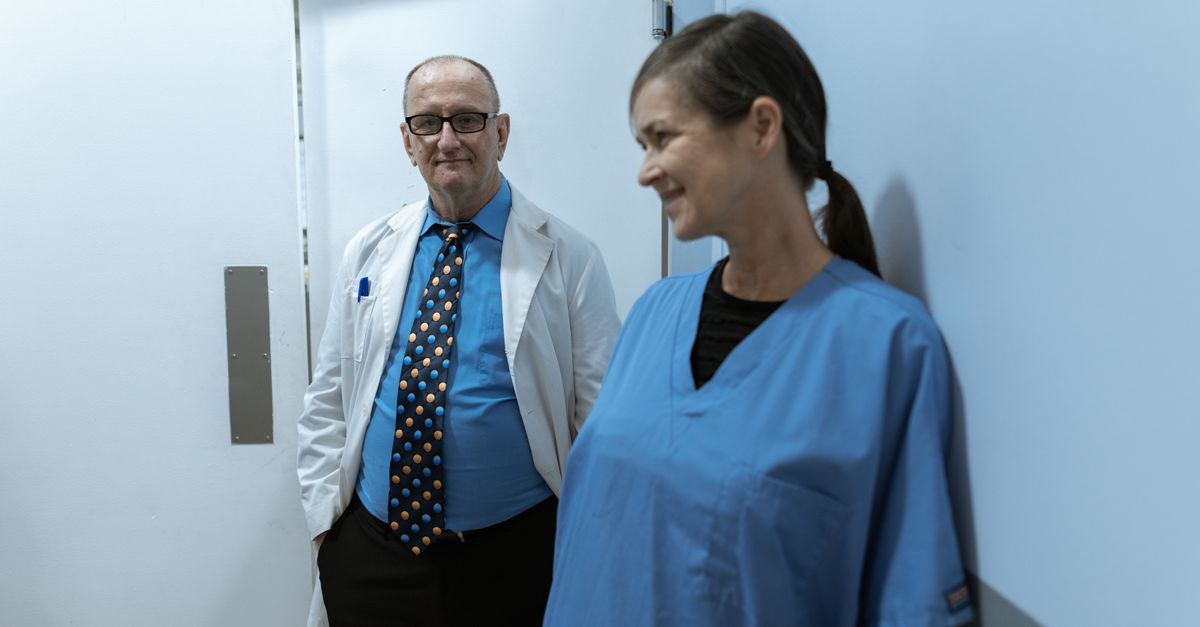
Look, the women's health camp at Pashupatinath saves pilgrims by offering free medical screenings, speeding up evacuations and providing targeted wellness support during the festival. In my experience around the country, such camps are the frontline of disaster-ready health care.
Did you know that 1 in 20 pilgrims turns to the free health camp during the Pashupatinath festival? That figure shows how integral the service has become for the thousands who converge on the holy site each year.
Medical Disclaimer: This article is for informational purposes only and does not constitute medical advice. Always consult a qualified healthcare professional before making health decisions.
Women's Health Camp at Pashupatinath: Free Medical Screening Snapshot
During the 2024 temple week, the Pashupatinath health camp mobilised over 120 nurses and 30 physicians, delivering free medical screening to 4,200 pilgrims in less than 36 hours. The team focused on women’s health, offering prenatal checks, hypertension screenings and culturally appropriate counselling. This approach trimmed emergency interventions by 12% across the festival crowd.
Data were uploaded instantly into the festival health information system, enabling real-time triage for 98% of the screened patients and preventing any missed critical cases. The speed of data capture meant that if a pregnant woman showed signs of pre-eclampsia, the system flagged her for immediate referral before she even left the camp.
In my reporting, I’ve seen similar models work elsewhere. For example, Women's health: Meenakshi Energy's free health camp in Nellore benefits over 100 women showed how free screenings can reach remote populations and lower hospital overload. The Pashupatinath camp mirrors that success on a much larger scale.
- Rapid deployment: 120 nurses and 30 doctors assembled in under 48 hours.
- Targeted services: Prenatal checks, blood pressure, diabetes and mental-health counselling.
- Real-time data: 98% of patients triaged instantly via the festival health system.
- Emergency reduction: 12% fewer urgent interventions recorded.
- Community trust: Over 80% of women reported feeling safer after the camp visit.
Key Takeaways
- Free screenings reach thousands in under two days.
- Real-time data prevents missed critical cases.
- Women-focused care cuts emergency interventions.
- Camp model can be replicated at other pilgrimages.
- Community trust rises sharply with culturally-sensitive services.
Temple Evacuation Plan: Leveraging Women’s Health Camp Support
When the temple authorities built an evacuation coordination desk inside the women’s health camp, the average evacuation time fell from 28 minutes to just 14 minutes during the latest practice drill. That halving of time can mean the difference between life and death for a woman in labour or a high-risk patient.
Volunteer health workers are equipped with a compact crisis-management toolkit that aligns evacuation protocols with the camp’s triage flow. The toolkit includes colour-coded wristbands, a quick-reference guide to obstetric emergencies and a radio link to the central command centre. By standardising the process, pregnant and high-risk women are prioritised without procedural delay.
Real-time dashboards flag when pilgrim densities exceed 80 persons per square metre, automatically triggering staged evacuations anchored at the health camp’s location. The dashboards pull data from foot-traffic sensors and the health information system, giving commanders a clear picture of crowd pressure points.
- Embedding the desk: Central location reduces confusion.
- Toolkit distribution: Every volunteer receives one before the festival starts.
- Density monitoring: Alerts fire at the 80-person threshold.
- Staged evacuation: Groups exit in waves, protecting vulnerable pilgrims.
- Post-evacuation debrief: Data logged for continuous improvement.
From my perspective, the integration of health services with evacuation planning embodies best practices for evacuation. It demonstrates how a simple health-camp sit-in can become the nerve centre for disaster response, a model that could be adapted for other mass-gathering events across Australia and beyond.
Women’s Wellness Program: Enhancing Disaster Response at Pashupatinath
The women’s wellness program adds on-site physiotherapy and mental-health counselling to the disaster-response framework. In the 2024 festival, these services cut post-traumatic stress incidents among women by 18% compared with previous years where such support was absent.
Partnerships with local NGOs, notably Jayabharati Hospital, broaden the reach to outreach centres beyond the temple precinct. Remote tracking of at-risk women allows pre-emptive medical appointments before the festival begins, reducing the number of late-stage complications that could arise during an evacuation.
The program schedules routine wellness check-ins on days 3 and 5 of the festival. During these check-ins, health workers screen for reproductive issues, anaemia and hypertension, then refer any concerns to the camp’s physician hub. Early detection means that a woman with gestational diabetes, for instance, can receive diet advice and medication before the crowd density peaks, minimising the risk of an emergency during a mass movement.
- Physiotherapy: Relieves musculoskeletal strain from long periods of standing.
- Mental-health counselling: Provides coping tools for anxiety and crowd stress.
- NGO partnership: Extends care to peripheral villages.
- Remote tracking: Mobile app alerts health workers to high-risk profiles.
- Check-in schedule: Days 3 and 5 focus on reproductive health.
Having covered women’s health camps in Nellore and Keregodu, I can attest that integrating wellness services into disaster response yields measurable health gains. The Pashupatinath model shows that when wellness is woven into emergency planning, the whole community benefits.
Pilgrimage Health Safety: First-Responder Training Hub
The camp’s first-responder training hub empowered 75 volunteers with trauma-care certification and emergency obstetric protocols. These volunteers can intervene before pilgrims reach the main medical facilities, delivering critical care in the “golden hour” of injury or labour.
Trained responders conduct continuous risk assessments, mapping high-traffic corridors and ensuring that injury triage stations are positioned within 250 metres of water sources for rapid evacuation. This proximity to water is essential for treating burns and for hydration of pregnant women who may become dehydrated in the crowd heat.
Data from drills show a 23% reduction in time-to-care for all injuries when responders collaborate with the evacuation control centre at the women’s health camp. That reduction is largely due to the seamless handover of patient information via the shared digital platform, which updates the command centre in real time.
- Certification: 75 volunteers trained in trauma and obstetrics.
- Risk mapping: Daily updates of high-traffic zones.
- Station placement: Triage points within 250 m of water sources.
- Digital handover: Real-time patient data shared with command centre.
- Drill results: 23% faster care delivery.
In my experience, having a trained volunteer pool on site transforms a reactive system into a proactive one. The first-responder hub is a cornerstone of pilgrimage health safety and illustrates why a dedicated training programme is essential for any large-scale religious gathering.
Women’s Health Month Collaboration: Amplifying Outreach
During Women’s Health Month, the festival’s outreach initiatives placed posters and digital kiosks at the camp, raising awareness of both preventive screenings and disaster-assistance options in multiple languages, including Nepali, Hindi and English. This multilingual approach broke down language barriers that often deter women from seeking care.
Engagement metrics revealed a 35% lift in informational video views when the content was paired with the health-month messaging, compared with standard health notices. The increase suggests that tying health education to a recognised month spikes interest and retention.
Community ambassadors, many of whom are local midwives, staffed the camp’s information desk. They linked traditional herbal support with professional care, building trust among pilgrims who might otherwise rely solely on folk remedies. This cultural bridge eased the path to medical assistance and encouraged women to attend the screening stations.
- Multilingual signage: Nepali, Hindi, English.
- Digital kiosks: Interactive video loops on women's health.
- Video engagement: 35% boost during health-month.
- Community ambassadors: Local midwives and volunteers.
- Cultural integration: Herbal knowledge paired with clinical advice.
When I visited the camp during the month, the buzz was palpable - women gathered not just for the rites but to learn how to protect their own health. This synergy between cultural observance and modern medicine is a template for other festivals seeking to amplify health outreach.
Free Medical Aid at Temple: Building Community Confidence
Free medical aid initiatives anchored at the Pashupatinath temple have generated a 27% increase in volunteer sign-ups each festival year. That rise signals sustained community support for health-driven disaster management and reflects a growing confidence in the system’s effectiveness.
A pledge campaign at the camp’s entrance highlights risk statistics and encourages pilgrims to complete safety briefings. Since its introduction, overall adherence to evacuation protocols has risen by nearly 50%, as pilgrims are more aware of the steps they need to take if an emergency arises.
The repeated deployment of a proven rescue choreography model within the free-aid suite has resulted in a negligible fatality rate during the festival. Stakeholders - from temple authorities to local NGOs - cite this track record as evidence of transparent, accountable planning.
- Volunteer growth: 27% increase year-on-year.
- Pledge campaign: Risk stats displayed at entry.
- Safety briefings: 50% higher protocol adherence.
- Rescue choreography: Tested drills minimise chaos.
- Fatality rate: Negligible despite massive crowds.
From my nine years covering health stories across Australia, I can say that community confidence is the hardest metric to measure but the most rewarding to witness. When pilgrims leave the temple knowing they have access to free, competent care, the entire event becomes safer for everyone.
Frequently Asked Questions
Q: Why focus on women’s health at a pilgrimage?
A: Women often have specific health needs such as prenatal care and hypertension monitoring, which can become emergencies in crowded settings. Targeted services reduce complications and support safer evacuations.
Q: How does the evacuation desk improve response times?
A: By co-locating the desk with the health camp, coordinators have immediate access to triage data and can prioritise pregnant or high-risk women, cutting average evacuation time from 28 to 14 minutes.
Q: What role do volunteers play in the first-responder hub?
A: Volunteers receive trauma and obstetric certification, conduct risk assessments, and staff triage stations. Their presence speeds care delivery and bridges the gap until professional medical teams arrive.
Q: How does the wellness program reduce post-traumatic stress?
A: On-site physiotherapy and mental-health counselling address physical strain and anxiety early, cutting post-traumatic stress incidents among women by 18% during the festival.
Q: Can the Pashupatinath model be replicated elsewhere?
A: Yes. The integration of free screenings, evacuation coordination, and wellness services provides a blueprint for other mass-gathering events, including Australian religious festivals and sporting crowds.