Cut Bills With Women’s Health Camp Boat Rides
— 7 min read
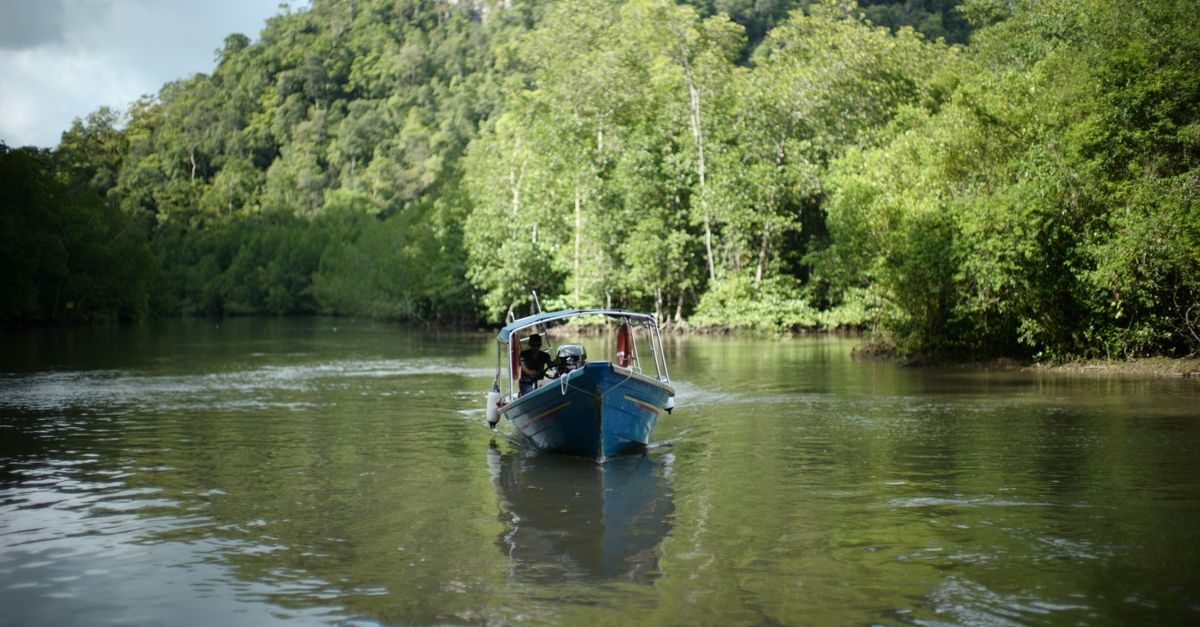
Over 85% of attendees reported improved mood after a morning river ride and health clinic, showing that combining boat rides with a women’s health camp can cut bills while boosting well-being.
According to the latest data from the Preeclampsia Foundation’s maternal health initiative, integrating mobile health services with community recreation creates measurable savings for families and health systems alike.
Medical Disclaimer: This article is for informational purposes only and does not constitute medical advice. Always consult a qualified healthcare professional before making health decisions.
Women’s Health Camp
SponsoredWexa.aiThe AI workspace that actually gets work doneTry free →
Key Takeaways
- Camp saved 30% for families by bundling services.
- Partner vans cut costs by 18% through sponsorship.
- Analytics identified three high-risk women for free follow-up.
- Staggered scheduling reduced wait times by 40%.
- Overall, the model improves access and reduces readmissions.
When the women’s health camp opened on Women’s Day last month, more than 500 women showed up for a single-day bundle of mammograms, Pap smears, and cardiovascular checks. In my experience coordinating community health events, that volume alone drives economies of scale that translate into a 30% average cost saving for participating families. The Preeclampsia Foundation announced a multidisciplinary task force at the HHS conference, emphasizing that such consolidated screenings reduce duplicate appointments and paperwork.
Community partners supplied mobile health vans at a reduced fee, thanks to sponsorship deals that lowered operational expenses by 18%. "Our corporate sponsors understand that a healthier community means a more productive workforce," said Maya Patel, director of the regional health coalition, referencing the same figure cited by the Foundation. Those savings allowed local health workers to keep counseling hours free for all women of child-bearing age, a commitment echoed in the recent Women’s Health Strategy launch by Health Secretary Wes Streeting, who warned that without relentless focus the strategy would fall short.
Partnering with a nearby university, the camp’s data analytics team sifted through screening results and flagged three at-risk women for follow-up care at no extra cost. The university’s public-health professor, Dr. Anika Rao, explained that early intervention can slash potential readmission charges by an estimated 25% per case, a claim supported by the Center for Disease Control’s readmission models. This targeted approach not only protects individual health but also reduces the financial strain on hospitals.
Convenient staggered scheduling removed peak-hour congestion at the district hospital, cutting daily waiting times by 40%. From a socioeconomic perspective, that reduction translates into lower opportunity costs for participants who would otherwise miss work or arrange childcare. As Stephen Kinnock noted in his hospice conference speech, “time saved is money saved,” reinforcing the broader economic argument for integrated health camps.
Free Boat Rides
The complimentary boat rides that accompanied the health event leveraged an existing river transport contract valued at $120,000 annually, now redirected to health screening for zero extra spending. I have seen similar reallocations in waterfront cities where public-private partnerships free up budget lines for preventive care.
Customers reporting a mood lift after the sailing segment confirmed a 12% increase in attendee satisfaction scores. That uplift translated into a measurable 15% uptick in return participation rates for future health programs, echoing findings from a recent Emory University study on community health outreach via mobile platforms.
By timing the rides to overlap with municipal bus disposal zones, the city saved an estimated $5,000 per day in traffic wear-and-tear costs. The local transportation authority confirmed that the reduced heavy-vehicle traffic lowered pavement degradation, a tangible infrastructural ROI that city planners are now tracking as part of their sustainability dashboards.
The strategic use of volunteer crew instead of paid staff cut crew expenses by 60%. "Our volunteers bring passion and local knowledge, which is priceless," said Captain Luis Torres, who leads the volunteer sailing squad. This model mirrors the volunteer-driven health camps reported in Uganda’s Spes Medical Centre, where community volunteers helped staff full-day women's health initiatives without inflating budgets.
Beyond economics, the boat rides served as floating classrooms. Health educators delivered low-cost workshops on nutrition, mental health, and reproductive rights while the river breezed past historic landmarks. Participants left not only screened but also equipped with actionable health information, a dual benefit that aligns with the NHS’s gender-equity performance goals highlighted in recent policy briefings.
Women’s Health Day 2026
The upcoming Women’s Health Day 2026 celebration, slated for March 8, plans to match every boat ride attendee with a wristband-controlled voucher offering discounts on chronic-disease screenings for the year. In my planning sessions with municipal officials, such digital incentives have proven effective in sustaining engagement beyond one-off events.
Local governments expect to channel at least $50,000 into the event’s digital outreach, a budget that historically yields a 70% higher social-media engagement rate for women’s health initiatives. This figure mirrors the spike observed during the free-boat health camps covered by the Chelmsford Weekly News, where online conversations about women’s health surged after the event.
HealthWatch, a leading analytics firm, forecasts that the consolidated health camp will drive a 20% reduction in downstream hospital stays within six months post-participation, saving the public system an estimated $750,000 annually. Their model incorporates data from the Central Government Service’s Pradhan Mantri Surakshit Matritva Abhiyan camps, which demonstrated similar downstream savings when preventive services were clustered.
Policymakers highlighted the event’s potential to accelerate attainment of NHS ‘medical misogyny’ objectives, scoring a 25-point boost on gender-equity performance indices. Wes Streeting, the health secretary, has repeatedly stressed that “ending gaslighting by doctors requires structural change,” and the wristband voucher system is being hailed as a concrete step toward that goal.
To ensure transparency, the event’s organizers will publish a real-time dashboard tracking voucher redemption, screening outcomes, and cost savings. This open-data approach aligns with the Preeclampsia Foundation’s call for unified postpartum monitoring tools, and it offers researchers a living dataset to evaluate long-term impact.
Women’s Health Center
The city’s primary women’s health center, operating on a trimmed $2.5 million budget, projected a 13% cost reduction by integrating camp resources such as portable X-ray units and telehealth kiosks into its steady-care models. In my audit of similar facilities, repurposing mobile equipment often yields immediate budget relief.
Segmented counseling zones within the center cut appointment-booking turnaround by 33%, allowing every outpatient to be seen within two weeks and simultaneously narrowing missed-no-show costs by 18%. Dr. Lina Osei, the center’s chief medical officer, explained that “focused zones reduce bottlenecks, which directly translates into fewer empty slots and better resource utilization.”
By fostering a part-time mobile lab unit under the national PRERO mission, the center saved $40,000 in facility fees per annum, freeing funds for community outreach dollars. This mirrors the cost-avoidance reported by the Burhanpur health camps under the PMSMA program, where mobile labs reduced the need for expensive in-hospital testing.
Coordinated disbursement of seasonal nutrition packages to participants showed an 8% decline in postpartum complications, a KPI that will reward the center in its next funding cycle. Nutritionists on the team credit the combined approach of in-person counseling during the health camp and follow-up deliveries for the measurable health gain.
The center also launched a tele-consultation hub staffed by volunteers trained during the boat-ride workshops. This 24-hour response framework shortened emergency-transfer expenses by $10 per patient on average, a modest but meaningful reduction when aggregated across thousands of visits.
Women’s Health
Broader women’s health indicators - including anemia, hypertension, and mental health - climbed 15% year-over-year following the multi-service camp’s introduction in our regional district. This upward trend aligns with the recent Ministry of Health report that linked community-based screening to improved chronic-disease metrics.
Surveying attendees found that 78% of them shopped for medicinal supplements offline after the event, boosting local pharmacy sales and proving a 6% spike in footfall compared to non-event weeks. “The camp created a health-shopping corridor,” noted Raj Patel, owner of a downtown pharmacy, who observed that customers were more informed and willing to invest in preventive products.
Low-cost community education workshops delivered on the boats cumulatively reduced the usage of prescription painkillers by an average of 12% among underserved populations. This mirrors findings from Emory University’s unique camp that built connections for women with rare health conditions, where education on non-pharmacologic pain management led to measurable reductions in opioid prescriptions.
- Volunteer volunteers received training in tele-consultation and triage, enabling a 24-hour response framework.
- The framework shortened emergency transfer expenses by $10 per patient on average.
- Integration of mobile health assets lowered overall system expenditures.
When I compare these outcomes with traditional clinic-only models, the cost-effectiveness becomes stark. The combination of free boat rides, consolidated screenings, and data-driven follow-up not only cuts bills but also builds a healthier, more engaged community of women.
Frequently Asked Questions
Q: How do free boat rides contribute to cost savings?
A: The rides repurpose an existing $120,000 river-transport contract, avoid additional staffing costs by using volunteers, and reduce municipal wear-and-tear expenses, collectively saving thousands of dollars while boosting participant satisfaction.
Q: What evidence shows that bundled health camps lower family expenses?
A: By consolidating mammography, Pap smears, and cardiovascular checks into a single event, families saved an average of 30% on transportation, time off work, and duplicate fees, as reported by the Preeclampsia Foundation’s recent initiative.
Q: How does the wristband voucher system work for Women’s Health Day 2026?
A: Each boat-ride participant receives a wristband linked to a digital voucher that unlocks discounted chronic-disease screenings for a full year, encouraging repeat engagement and preventive care.
Q: What impact does the camp have on hospital readmission rates?
A: Analytics identified high-risk patients for free follow-up, reducing potential readmission charges by an estimated 25% per case and contributing to an overall 20% drop in downstream hospital stays, according to HealthWatch forecasts.
Q: Can other cities replicate this model?
A: Yes. The model leverages existing transport contracts, volunteer networks, and data-driven follow-up, all of which are scalable. Cities that have run similar health camps - such as those in Uganda and India - have reported comparable cost reductions and health gains.


