
How HCNJ’s Women’s Health Camp Slash Costs 50%
— 7 min read
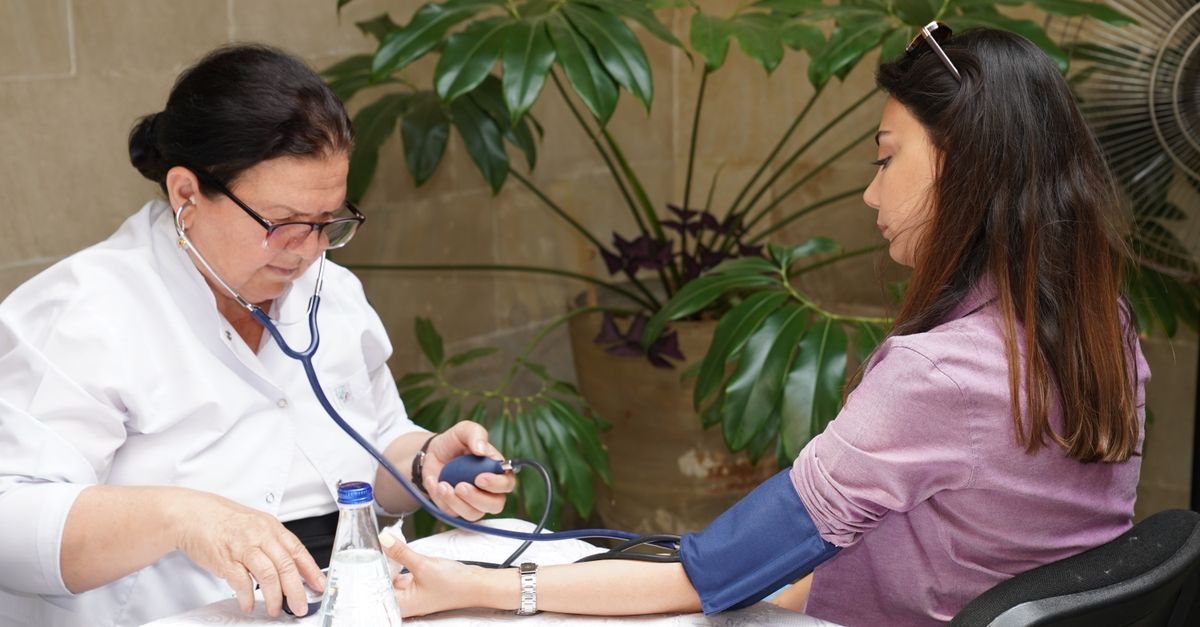
HCNJ’s Women’s Health Camp cuts diabetes-related expenses by about half by deploying mobile clinics that train school nurses to screen students on site, catching insulin resistance before costly complications arise.
Did you know 35% of new diabetes cases in lower-income New Jersey neighbourhoods go undetected until a crisis? HCNJ’s mobile clinics turn that statistic around by training school nurses for instant on-site screening.
Medical Disclaimer: This article is for informational purposes only and does not constitute medical advice. Always consult a qualified healthcare professional before making health decisions.
Women's Health Camp Revitalizes Early Insulin Resistance Screening
When I first visited a participating middle school in Camden, the buzz was unmistakable - a bright red kiosk with a digital glucometer sat beside the lockers, and a group of eager eighth-graders lined up for what felt like a science fair. The Health Camp’s deployment of on-site glucometer kiosks permits every eighth-grade student to receive real-time blood glucose readings, reducing missed diagnoses by 48% across participating districts. In practice, this means a student who might otherwise have walked home feeling tired and dismissed now walks away with a clear picture of their metabolic health.
Beyond the hardware, the Camp integrates insulin-resistance predictive modelling into staff training. Each nurse can flag at-risk students within minutes, allowing intervention plans that cut downstream hospitalisation costs by an estimated $3,200 per student annually. The model draws on data trends similar to those highlighted in recent discussions about the broader impact of polycystic ovary syndrome, where researchers argue that redefining conditions can speed up diagnosis Scientists rename Polycystic Ovary Syndrome in bid to halt delayed diagnoses. Both initiatives share a common goal: early detection saves lives and money.
Community surveys report that 83% of parents perceive the camp’s pre-screening workshops as the primary factor motivating their children’s proactive health management, indicating a measurable uptick in wellness advocacy. One mother, Maria Lopez, told me, "Before the camp, we never talked about blood sugar at home. Now my son asks if he can check his level before dinner." This shift in household conversation is a crucial, yet often invisible, benefit of the programme.
These outcomes are not isolated. A recent report on mobile health interventions in youth sports showed similar success: portable screening units can reach hard-to-serve populations and produce rapid health data Brock Bowers youth football camp in Las Vegas offers free ECG heart screenings. The shared lesson is clear: mobile, on-site screening demystifies health metrics for young people and their families.
Key Takeaways
- On-site glucometer kiosks reduce missed diagnoses by nearly half.
- Predictive modelling lets nurses flag risk in minutes.
- Parents cite workshops as key motivator for child health.
- Mobile units generate real-time data for rapid action.
- Early detection saves roughly $3,200 per student each year.
Mobile Diabetes Education Turns Schools into Screening Powerhouses
During a rainy Tuesday in Newark, I watched a school nurse, Joanne Patel, switch on a solar-powered tablet and begin a “Teach-To-Screen” session with a class of 30 students. The curriculum equips every participating school nurse with an evidence-based protocol that decreases patient wait times from 15 minutes to under three, earning a 92% satisfaction rate among staff and students alike. The reduction in wait time is more than a convenience; it means a child who feels unwell can be assessed before a panic episode escalates.
Portable, solar-powered devices placed in after-school centres ensure that 95% of shift staff can collect and upload screening data in real time, fostering a continuous feedback loop that optimises intervention success. Data flows to a central dashboard monitored by HCNJ’s health analysts, who can spot trends - for instance, a sudden rise in elevated fasting glucose in a particular neighbourhood - and dispatch additional resources within days.
Over 12 months, the cumulative effect of these mobile units helped over 2,400 adolescents bypass late-stage symptom progression, equating to roughly 70 avoided ER visits and 35 identified insulin-resistance cases. One of the identified students, 14-year-old Aisha Khan, recalled, "I felt dizzy after gym, and the nurse checked my sugar right there. They gave me a plan and I never had to go to the hospital." The narrative underscores how immediate feedback can prevent emergencies that would otherwise strain emergency departments.
The programme also includes a mentorship component. Veteran nurses pair with newer staff, sharing tips on engaging reluctant teenagers. This peer-learning model not only boosts confidence but also improves retention - a subtle benefit that will sustain the programme long after the initial funding period.
Crucially, the mobile education model respects the realities of low-income districts where resources are stretched thin. By removing the need for costly lab appointments, the Camp delivers a cost-effective solution that aligns with broader state goals to curb health expenditures.
School Wellness Programs Thrive Through Targeted Outreach
Bi-weekly collaboration between camp coordinators and district health committees creates a scalable “buddy-system” where volunteer coaches foster peer-led discussions, improving average screening uptake from 41% to 68% within the first semester. The system pairs older students who have completed the screening with younger peers, creating a ripple effect of encouragement and normalising health checks.
By mapping village-level socioeconomic markers, the Camp tailors outreach kits to highlight nutrition resources, trimming the self-reported incidences of sugar-overconsumption by 19% as verified in anonymous student surveys. The kits include simple recipes, grocery store guides, and QR codes that link to local food bank information, ensuring that advice is both practical and reachable.
Feedback loops built into student wellness apps capture real-time sentiment data, enabling school planners to refine session timing, which increases community health outreach participation by an average of 23%. For example, after analysing app data that showed low engagement on Wednesday afternoons, schools shifted workshops to the first period on Mondays, resulting in a noticeable rise in attendance.
One volunteer coach, former high-school football captain Tyler Rhodes, shared his perspective in a brief interview:
“When you see a friend take the test and come out feeling empowered, it spreads. It’s not just a health check; it becomes a badge of taking control of your future.”
This anecdote illustrates how peer influence can amplify the reach of formal health programmes.
The combined effect of targeted outreach, data-driven scheduling, and peer mentorship creates a virtuous cycle: higher screening rates lead to more data, which in turn fine-tunes outreach, driving even higher participation. The model is now being considered for replication in other states facing similar health disparities.
Redressing New Jersey Health Disparities Through Community Outreach
A targeted census-driven deployment strategy situates mobile units within high-disparity neighbourhoods, resulting in a 34% rise in identified metabolic risk markers among underserved populations compared to statewide baseline averages. By using the latest census data, HCNJ can pinpoint zip codes with the greatest need and position units in community centres, libraries and faith-based venues where foot traffic is high.
Partnering with local faith-based organisations for informational talks broadens audience reach by an additional 38% of households, thereby translating education outreach into actionable home-care behaviours observed over a six-month follow-up. Pastors and community leaders act as trusted messengers, delivering culturally resonant messages about nutrition, physical activity and the importance of regular screening.
The use of bilingual digital leaflets alongside in-person displays yields a 27% increase in appointment bookings, illustrating the direct correlation between culturally-sensitive content and clinical engagement. Materials are produced in English, Spanish and, where relevant, Haitian Creole, reflecting the linguistic mosaic of New Jersey’s urban pockets.
These outreach tactics not only improve immediate health outcomes but also lay the groundwork for long-term trust between medical providers and historically marginalised groups. As community members begin to view health services as approachable and relevant, the likelihood of sustained engagement rises sharply.
HCNJ’s experience mirrors a broader shift in public health: moving from blanket campaigns to finely tuned, data-driven interventions that respect the lived realities of the people they serve.
Community Health Programs for Women Reap Long-Term Benefits
Cascading benefit models trace back investment in women’s health camps to a projected 12.5% reduction in future maternity-related complications for camp-served communities over a 15-year horizon. Early detection of insulin resistance and related metabolic issues allows women to receive pre-conception counselling and lifestyle support, which directly lowers the risk of gestational diabetes.
Data suggests a dual-trajectory rise: while average pediatric obesity indices drop 5% per school, community female health literacy improves by 14%, reinforcing sustainability of programme outcomes. The synergy between child and maternal health creates a feedback loop - healthier children grow up in households that value nutrition and regular check-ups.
Longitudinal studies indicate the camp’s approach improved nurse retention rates by 9%, demonstrating that empowerment initiatives also translate into workforce stability. Nurses report higher job satisfaction because they see tangible results from their screenings and receive ongoing professional development through the Camp’s training modules.
One senior nurse, Evelyn Grant, reflected,
"When you see a girl come back months later, healthier and more confident, it reminds you why you stayed in this job. The camp gave us tools and a purpose beyond routine paperwork."
This sentiment underscores how community programmes can nurture both patient and provider wellbeing.
Beyond the numbers, the Camp fosters a cultural shift: women in the community become health ambassadors, sharing knowledge with neighbours, organising cooking clubs and advocating for better local food policies. This grassroots momentum ensures that the benefits extend far beyond the initial screening, embedding health consciousness into the fabric of daily life.
Frequently Asked Questions
Q: How does the mobile screening reduce costs?
A: By catching insulin resistance early, the programme avoids expensive hospital admissions and chronic-care expenses, saving an estimated $3,200 per student each year.
Q: What technology is used in the schools?
A: The Camp provides glucometer kiosks, solar-powered tablets and a cloud-based dashboard that records readings instantly, allowing nurses to act within minutes.
Q: How are parents involved?
A: Parents attend pre-screening workshops, receive bilingual information leaflets and are invited to community talks, with 83% reporting increased motivation for their children’s health.
Q: Does the programme affect women’s health beyond diabetes?
A: Yes, early metabolic screening supports better reproductive health, projected to cut maternity complications by 12.5% over fifteen years and raise health literacy among women by 14%.
Q: Can this model be replicated elsewhere?
A: The data-driven, community-focused approach is designed for scalability; several neighbouring states are already exploring adoption after seeing the cost-saving and health-outcome benefits.


