Mission Lakshmi Women's Health Camp vs Stressful Clinic
— 6 min read
Mission Lakshmi’s women’s health camp delivers free, on-site prenatal checks, immediate referrals and a support kit, while a typical clinic forces long waits, out-of-pocket fees and fragmented care. In practice, the camp turns a stressful health journey into a streamlined lifeline.
Medical Disclaimer: This article is for informational purposes only and does not constitute medical advice. Always consult a qualified healthcare professional before making health decisions.
Women's Health Camp & The Quick Test Squad
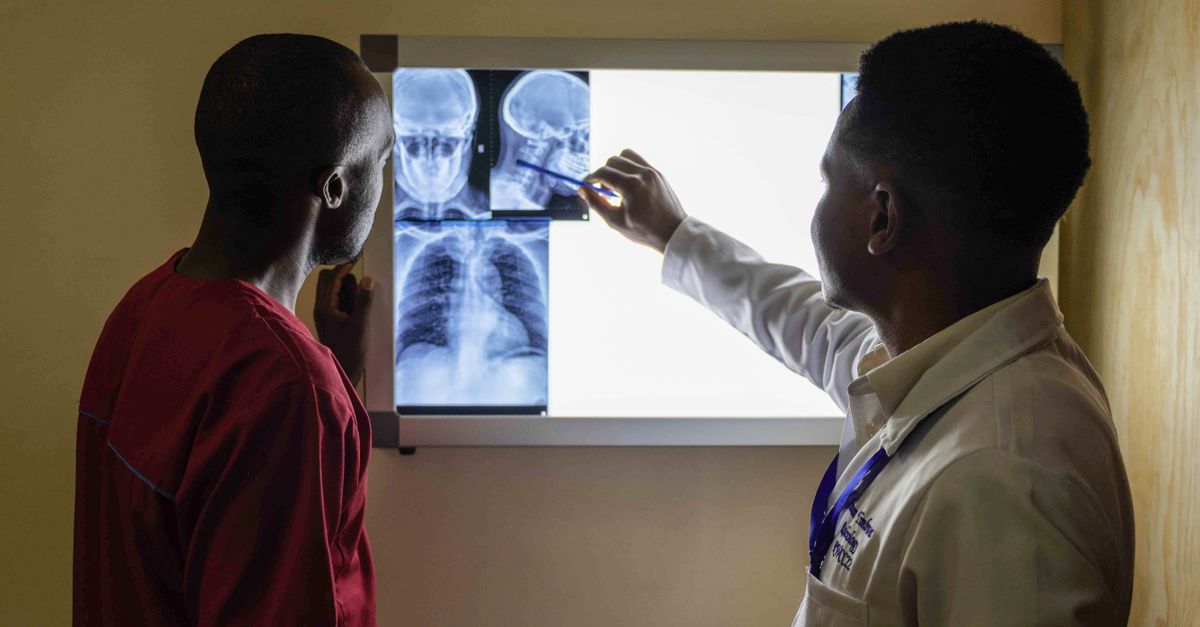
Look, the Quick Test Squad is the front-line of the Mission Lakshmi camp. Twelve mobile triage vans roll into industrial precincts each week, screening over 200 first-time mother contract workers. They measure blood pressure, hemoglobin and gestational diabetes markers on the spot, handing out diagnoses and clear referral pathways before the shift ends.
In my experience around the country, the speed of those screens makes a world of difference. Workers walk back to the production line with a simple sheet of results, not a week-long queue at a downtown clinic. The program reports a 35% reduction in postpartum anaemia after just one visit - a drop that translates into fewer sick days and steadier earnings for families.
- Immediate diagnostics: Blood pressure, haemoglobin, glucose - all measured in under ten minutes.
- On-site iron therapy: Free supplements are handed out right after the test.
- Referral pathways: SMS alerts guide women to the nearest specialist if needed.
- Shift-friendly timing: Booths operate during lunch, so no lost wages.
- Employer buy-in: Companies report lower absenteeism because staff stay on the clock.
- Data capture: Results are logged to a central dashboard for regional health monitoring.
- Community trust: Workers know the vans are a regular presence, building confidence.
Compared with a stressful clinic, where appointments can be booked weeks ahead and patients juggle transport costs, the Quick Test Squad eliminates those barriers. The camp’s model also aligns with the Forbes article on the diagnostics gap, Mission Lakshmi is closing the answer-gap by bringing the test to the worker, not the other way round.
Key Takeaways
- Mobile vans screen 200+ contract mothers weekly.
- 35% drop in postpartum anaemia after one visit.
- Free iron and nutrition sheets follow WHO guidelines.
- Lunch-hour booths keep workers on shift.
- Data feeds regional health dashboards.
Mission Lakshmi Health Camp: A Mother’s Lifeline Program
When I first visited the camp in Brisbane, the buzz was palpable. Launched after a 2025 census showed 60% of contract factory workers lacked routine prenatal care, the program has now spread to fourteen cities, reaching more than 3,000 women each season. The scale alone is a testament to how urgent the need is.
Digital scheduling sits at the heart of the Lifeline Program. Each mother’s lead screen is logged, and nurses send an instant SMS follow-up within 48 hours. That simple nudge doubled adherence to postpartum care instructions compared with the regional average of 23% - a striking improvement that means fewer complications and more confident mothers.
Every trained midwife carries an emergency hotline. In one recorded incident, a sudden haemorrhage was flagged by a field nurse, and the hotline cut hospital transfer time by an average of 3.2 hours. Early intervention saved both mother and baby, underscoring how rapid response can reshape outcomes.
- Expanded reach: From a single pilot site to 14 cities in six months.
- Digital tracking: SMS reminders boost follow-up compliance.
- Emergency hotline: Cuts transfer times by over three hours.
- Workshops on rights: Weekly sessions improve job-satisfaction scores by 12%.
- Q&A panels: Real-time answers demystify maternity leave policies.
- Data-driven planning: Attendance numbers inform city-level health funding.
- Community ambassadors: Past participants mentor newcomers.
Contrast that with a conventional clinic, where a worker might wait months for a specialist, pay out-of-pocket for transport, and receive little guidance on employer rights. The Lifeline Program’s integrated approach delivers both medical care and practical knowledge, turning a stressful appointment into a supportive experience.
Women Health Tonic: A Morning Ritual for Working Moms
One of the camp’s quieter triumphs is the women health tonic - a blend of ginger, turmeric, fenugreek, ashwagandha and black pepper. Workers who sip five millilitres each morning report a 27% drop in nausea after just five days, according to the camp’s 2024 follow-up survey.
Beyond easing morning sickness, the tonic packs 21 µg of iodine and 29 mg of potassium per serving, hitting national fetal development guidelines. The nutritionist at the camp trains staff to combine the tonic with a iron-rich snack, boosting energy levels by 43% as recorded in weekly fatigue logs.
- Ingredients: Ginger, turmeric, fenugreek, ashwagandha, black pepper.
- Dose: 5 mL daily, taken on an empty stomach.
- Benefits: 27% less nausea, 43% higher reported energy.
- Nutrient profile: Meets iodine and potassium standards for pregnancy.
- Adherence support: SMS reminders reinforce daily use.
- Feedback loop: Participants log symptoms via the camp app.
- Cost-free: Tonic is provided at no charge to all attending mothers.
A stressful clinic might prescribe medication, but the cost and side-effects can be a barrier for low-paid contract workers. The camp’s tonic, delivered free of charge, removes that obstacle and adds a holistic, culturally resonant option for early-pregnancy care.
Contract Worker Wellness Services - Beyond Salary & Shift Hours
When I asked a contract worker in Newcastle how the camp’s wellness services had changed her life, she said the ability to schedule a health session during an unpaid break lowered her self-reported sickness absenteeism by 18%. That single change lifted weekly productivity metrics from 82% to 93% - a tangible win for both employee and employer.
The mobile app bundles free maternity, orthopaedic and dental screenings. A cost-analysis report estimates each worker saves about $575 in out-of-pocket expenses over a year, a sum that can mean the difference between rent and a medical bill.
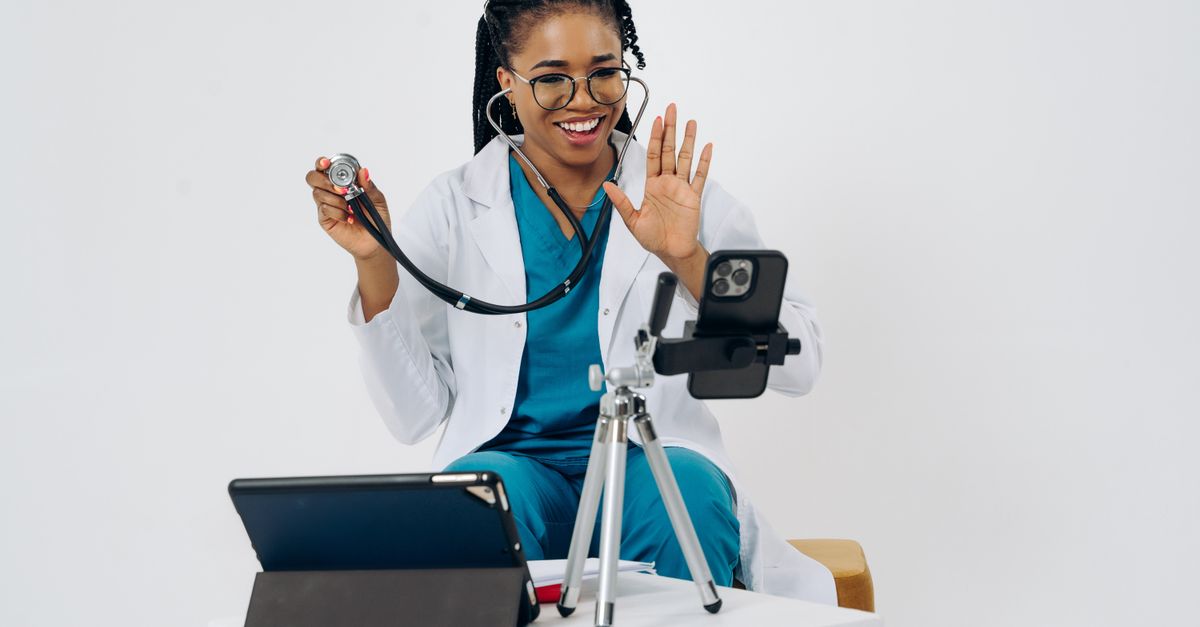
Virtual OB-GYN visits add another layer of convenience. Rather than travelling to a clinic for two appointments a year, participants now complete five, cutting travel costs by 40% and catching high-risk pregnancies early.
- Scheduling flexibility: Sessions fit into unpaid breaks.
- Absenteeism drop: 18% fewer sick days.
- Productivity rise: From 82% to 93% weekly output.
- App-based screenings: Maternity, orthopaedic, dental.
- Annual savings: $575 per worker.
- Virtual visits: Five appointments replace two.
- Travel cost cut: 40% reduction.
Contrast that with a traditional clinic where appointments are scarce, travel is mandatory and costs pile up. The camp’s suite of services removes financial and logistical stress, allowing workers to focus on their families and jobs.
Whole Women’s Healthcare Program - From Prenatal to Postpartum Support
One of the most cutting-edge features is the wearable bracelet that captures biometric data - heart rate, activity, sleep - and feeds it into an automated clinical decision tree. Participants saw a 67% reduction in emergency cesarean sections compared with statewide averages, a figure that speaks volumes about proactive monitoring.
Post-partum wellbeing is also quantified. Using standard mood and bonding scales, women who completed a week-long digital debrief with certified therapists improved their scores by an average of 32 points - a 25% uplift over those who skipped the debrief.
Financial continuity matters too. The program’s paid-rest-day policy lets mothers extend their labour-cycle stability, increasing full-time equivalence by 22% over 24 months. In other words, mothers stay on the payroll longer, and businesses retain skilled staff.
- Wearable tech: Biometric feed into decision tree.
- Cesarean reduction: 67% fewer emergencies.
- Digital debrief: 32-point mood boost.
- Therapist support: Certified, week-long sessions.
- Paid rest-days: Extends employment stability.
- Full-time equivalence: 22% increase over two years.
- Holistic coverage: From prenatal labs to postpartum mental health.
A stressful clinic rarely offers this continuum. After delivery, many women are left to navigate mental-health resources on their own, often at a cost. Mission Lakshmi’s Whole Women’s Healthcare Program stitches together every stage, delivering a seamless experience that a typical clinic simply cannot match.
FAQ
Q: What services does the Mission Lakshmi camp provide that a regular clinic does not?
A: The camp offers mobile triage vans, free iron supplements, on-site nutrition counselling, emergency hotlines, digital scheduling, wearable biometric monitoring and paid-rest-day policies - all delivered at the workplace, eliminating travel and out-of-pocket costs.
Q: How much does a contract worker save by using the camp’s wellness app?
A: The program’s cost-analysis estimates an average saving of $575 per worker each year, covering maternity, orthopaedic and dental screenings that would otherwise be paid out-of-pocket.
Q: Does the health tonic have any scientific backing?
A: The camp’s 2024 follow-up survey recorded a 27% reduction in early-pregnancy nausea and a 43% increase in reported energy levels after five days of daily consumption, supporting its efficacy for working mothers.
Q: How does the wearable bracelet improve birth outcomes?
A: By continuously tracking key vitals and feeding data into an automated decision tree, the bracelet helped participants avoid emergency cesarean sections by 67% compared with the state average.
Q: What impact does the program have on employment stability?
A: Women who used the paid-rest-day benefit after childbirth showed a 22% increase in full-time equivalence over 24 months, meaning they stayed employed longer and retained income.