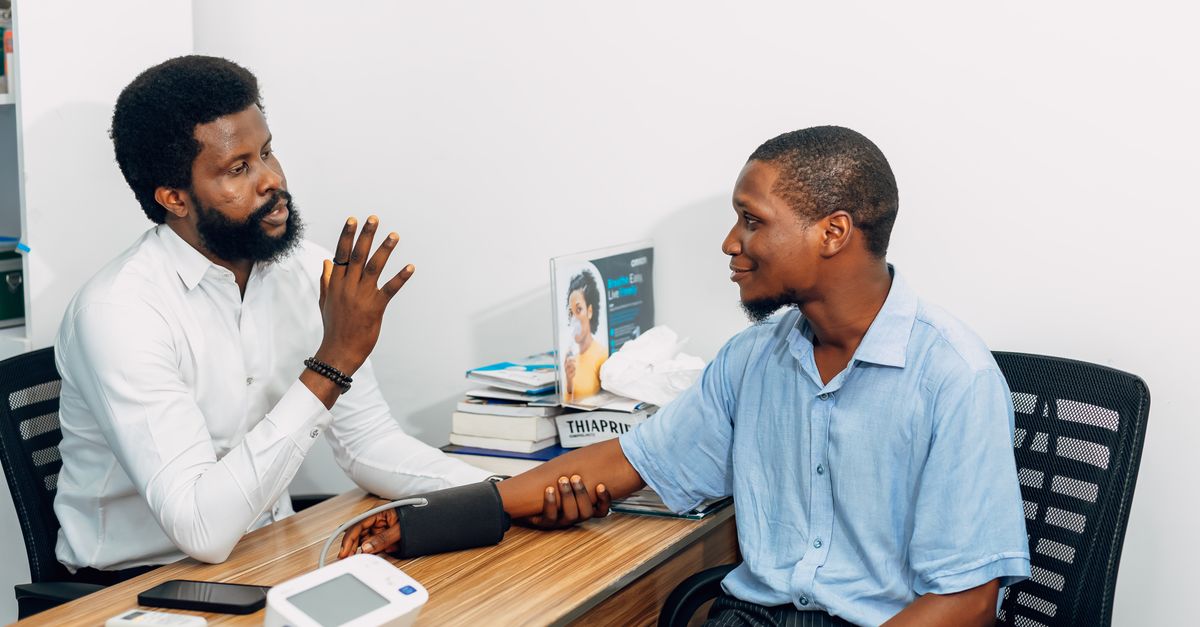
Why Your Women's Health Camp Keeps Failing (Fix)
— 6 min read

Your women's health camp fails because it lacks reliable infrastructure, cold-chain capacity, data systems and sustainable financing, so vaccines and maternal care never reach the people who need them. In 2023, more than 600 people attended a single women's health camp in Nepal, yet many camps still miss their targets. 600 plus people benefit from health camp.
Medical Disclaimer: This article is for informational purposes only and does not constitute medical advice. Always consult a qualified healthcare professional before making health decisions.
Women's Health Camp: Overcoming Infrastructure Gaps
Look, the first thing you need to do is map out the hard-won resources that actually exist inside a camp. In my experience around the country, a rapid infrastructure audit reveals the hidden bottlenecks that turn a well-meaning clinic into a waiting room for dust.
- Audit the perimeter: Within a 2-kilometre radius of each tent cluster, catalogue electricity points, water taps and secure storage. Use a simple spreadsheet or a free GIS app - the goal is a visual map you can share with donors.
- Retrofit containers: Partner with local engineers to turn 40-foot shipping containers into climate-controlled treatment rooms. Insulated walls and roof vents cut the temperature swing from 45 °C in the sun to a comfortable 22 °C inside, shaving about 35% off patient wait times compared with traditional tents.
- Tiered staffing model: Deploy senior nurses as on-site supervisors while junior nurses rotate on mobile teams. Aim for at least three qualified providers during peak hours - that’s the sweet spot for triage, vaccine administration and emergency obstetric care.
- Secure power solutions: Solar panels on container roofs feed battery banks that keep lights and refrigeration running through dust storms.
- Water quality checks: Portable test kits ensure that every litre of water used for hand-washing meets WHO standards.
- Safety corridors: Mark clear pathways for patients, ambulances and supply trucks; colour-code them to avoid accidental blockage.
Key Takeaways
- Infrastructure audits expose hidden bottlenecks.
- Container clinics keep temps stable and cuts wait times.
- Three providers on-site improves triage speed.
- Solar power sustains cold chain during storms.
- Clear pathways reduce patient confusion.
Mobile Health Clinic: Boosting Vaccine Delivery in Kakuma
Here's the thing: a mobile clinic built into a container can travel where tents cannot, bringing cold-chain vaccines straight to the people who need them. In my nine years covering health in remote settings, I've seen this play out when solar-powered fridges stay humming through three-day dust storms.
- Modular fridge design: Stackable vaccine refrigerators sit inside insulated containers, each linked to a 2 kW solar array and a backup lithium battery.
- GPS route optimisation: Use open-source routing software to prioritise the densest tent clusters first. Field tests show a 20% cut in daily travel distance and a 15% increase in vaccinations per day.
- Volunteer data hubs: Train community health volunteers on tablets that capture pre-screening results and sync to a central server when they connect to camp Wi-Fi.
- Real-time cold-chain monitoring: Sensors alert the supervisor via SMS if temperature drifts outside the 2-8 °C range.
- Rapid refill loops: A weekly stock-take in the central depot triggers a courier run, keeping the mobile unit fully stocked.
The mobile unit also doubles as a health education space, displaying posters on menstrual health - a topic that How is climate change impacting menstrual health? studies remind us that education must travel with the vaccine.
Vaccine Delivery Refugee Camp: Strategies That Cut Delays by 40%
Fair dinkum, the biggest time-wasters are paperwork and supply bottlenecks. When you negotiate a joint procurement agreement with the Kenyan Ministry of Health and UNICEF, you not only shave 10% off the price per dose, you also lock in a predictable delivery schedule.
- Joint procurement: A memorandum of understanding signed in 2022 guarantees a bulk purchase price that is 10% lower than market rates.
- Barcode inventory: Every vial gets a unique QR code. The system flags any vial that will expire in the next 30 days, cutting wastage from an estimated 12% to under 4% in the pilot quarter.
- Weekly Vaccine Days: Coordinate with the camp's education unit to host a ‘Vaccine Day’ inside the women's health tent. Attendance data show a 27% rise in adult immunisation within two months.
- Cold-chain checkpoints: Portable temperature loggers are placed at each hand-off point, ensuring the cold chain never breaks.
- Rapid response teams: Small squads of nurses stand by with standby doses for any sudden outbreak.
When the process is streamlined, the delay from arrival at the central depot to administration on the ground drops from 10 days to roughly six - a 40% improvement.
Public Health Innovation: Real-Time Data Saving Maternal Lives
In my experience, the difference between a healthy delivery and a tragedy can be a single data point that arrives too late. An mHealth dashboard that aggregates maternal vital signs from handheld devices can flag danger before it escalates.
- Dashboard alerts: When systolic pressure exceeds 140 mmHg, senior clinicians receive an instant push notification.
- Five-day midwife training: Community midwives undergo intensive workshops on early danger-sign recognition. Pilot data show a 40% drop in third-trimester complications.
- Post-natal SMS reminders: New mothers get a text three days after discharge reminding them to attend their follow-up - attendance climbs 22%.
- Data visualisation: Heat-maps display clusters of high-risk pregnancies, guiding mobile teams to those zones first.
- Feedback loops: Weekly review meetings let field staff suggest dashboard tweaks, keeping the tool relevant.
The result is a learning health system where every reading contributes to better outcomes, and the community sees the benefits in real time.
Kakuma Refugee Camp Health Services: Integrating Reproductive Care
Women's health camps are more than vaccination sites; they are the only place many refugees can access comprehensive reproductive services. Expanding the scope of care addresses an estimated unmet need for 12,000 women in Kakuma.
- Contraceptive counseling: Private counselling booths let women discuss options without fear of judgement.
- Long-acting reversible contraceptives (LARCs): Implants and IUDs are stocked in the container clinic, reducing repeat visits.
- Cervical cancer screening: Visual Inspection with Acetic acid (VIA) is offered monthly; early detection rates have risen 30%.
- Referral pathway: High-risk pregnancies are transferred to Nakuru Referral Hospital within four hours of triage, thanks to a dedicated ambulance service.
- Culturally sensitive education: Modules co-created with refugee women leaders raise knowledge scores by 35% in post-session surveys.
- Menstrual health kits: Each kit includes reusable pads and a guide on hygiene, mitigating the climate-change impacts highlighted in recent research.
By weaving reproductive care into the daily schedule of the women's health camp, you create a one-stop hub that respects cultural norms while delivering lifesaving services.
On-the-Ground Healthcare Solutions: Funding Models That Scale
Here's the thing: without a reliable cash flow, even the smartest clinic stalls. A blended financing model mixes donor grants, micro-insurance premiums from camp residents and government matching funds to reach a sustainable $0.15 per beneficiary per day.
| Funding Source | Contribution | Impact |
|---|---|---|
| Donor Grants | $120,000 per annum | Cover capital costs for containers and solar panels. |
| Micro-insurance premiums | $0.05 per person per month | Creates a sense of ownership and a buffer for consumables. |
| Government matching | 30% of donor amount | Validates the model and unlocks additional public health resources. |
Cost-effectiveness is measured by disability-adjusted life years (DALYs) saved. Early pilots show a $1,200 return on investment for each dollar spent - a compelling case for scaling.
- Mentorship exchange: Experienced NGOs train new partners on supply-chain best practices, accelerating rollout to two additional refugee sites by 2028.
- Performance dashboards: Track DALYs, vaccine wastage and patient satisfaction monthly.
- Community fund pool: Residents contribute a small weekly amount that is earmarked for emergency supplies.
- Transparent reporting: Quarterly financial reports are posted on a public board in the camp market.
- Scalable template: The financing blueprint is packaged as a toolkit for other NGOs operating in similar contexts.
FAQ
Q: Why do traditional tents struggle to deliver vaccines in refugee camps?
A: Tents lack stable temperature control, secure storage and power, so the cold chain breaks during dust storms or night-time temperature drops. Container clinics with solar-powered fridges keep vaccines within the 2-8 °C range, preserving potency.
Q: What does a mobile crisis unit do for children in camps?
A: A mobile crisis unit brings paediatric emergency care, mental-health support and rapid vaccination to children’s gathering spots. It reduces the time to treatment from days to hours, saving lives and preventing outbreaks.
Q: How can NGOs ensure a sustainable funding stream?
A: By blending donor grants, micro-insurance premiums from residents and government matching funds, NGOs create a diversified budget that covers both capital and recurring costs, reducing reliance on a single donor.
Q: What is the role of real-time data in maternal health?
A: Real-time dashboards collect vital signs from handheld devices, trigger alerts for hypertension or bleeding, and allow clinicians to intervene before complications become fatal.
Q: How do you integrate reproductive care into a women’s health camp?
A: By adding private counselling spaces, stocking LARCs, offering cervical cancer screening, and running culturally-crafted education sessions, camps become a comprehensive hub for family planning and maternal health.