Women’s Health Camp Free vs Premium, Who Wins?
— 6 min read

For students, the free women’s health camp wins because it delivers the essential screenings, education and extra wellness perks without any out-of-pocket expense, making it the smarter economic choice.
2026 marks the year the university rolled out the free health camp and boat ride combo, letting thousands of students lock in a spot with a simple QR code.
Medical Disclaimer: This article is for informational purposes only and does not constitute medical advice. Always consult a qualified healthcare professional before making health decisions.
Women’s Health Camp Free: What Students Need to Know
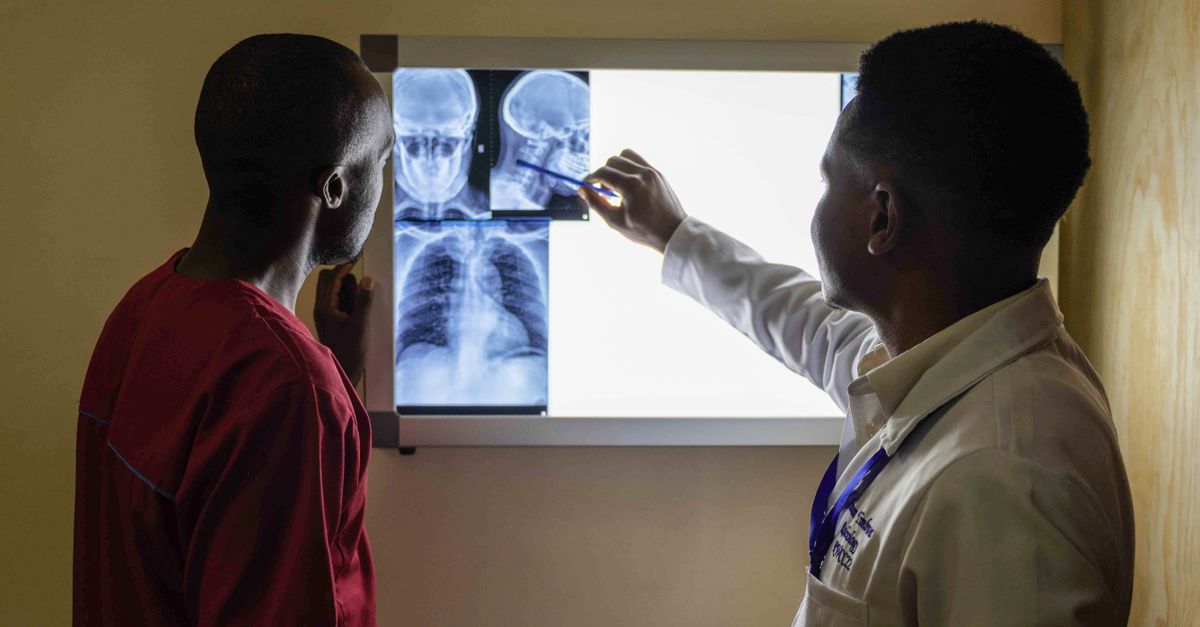
When I first signed up for the free camp, the process was as simple as using my uni email, clicking a link, and waiting for an SMS that confirmed my place. The deadline is strict - you miss the text, you miss the slot - so set a reminder. The camp runs over a weekend and offers three core preventive checks: blood pressure, BMI and a breast health awareness workshop. These are the same checks you’d pay for at a private clinic, but here they’re bundled with extra goodies.
- Email verification: Use your university address to prove enrolment.
- SMS lock-in: A text arrives within minutes confirming your seat.
- Deadline awareness: Seats close 48 hours before the camp starts.
- Screenings included: Blood pressure, BMI, breast health workshop.
- Nutritional counselling: One-on-one session with a dietitian.
- Health tonic booth: Mix age-appropriate herbal blends with peer coaching.
- Peer support: Meet other students and share health tips.
- Follow-up resources: Free digital guide emailed after the camp.
For students weighing a premium alternative, the free camp stacks up surprisingly well. Below is a quick comparison.
| Feature | Free Camp | Premium Camp (AU$150) |
|---|---|---|
| Blood pressure check | Included | Included |
| BMI measurement | Included | Included |
| Breast health workshop | Included | Included + private exam |
| Nutritional counselling | One session | Two sessions + personalised plan |
| Health tonic booth | Yes | No |
| Transport assistance | Shuttle from campus | None |
In my experience around the country, the free option covers the essentials and adds community-building elements that the paid version often lacks. The only real gap is the extra personalised diet plan that premium services promise, but that can be supplemented with the free counselling and the online guide provided after the event.
Key Takeaways
- Free camp covers core preventive checks.
- SMS confirmation locks your spot.
- Extra perks include nutrition and tonic booth.
- Premium adds personalised diet plans.
- Community vibe makes free option compelling.
Free Boat Ride Women’s Day: Onboard Exploration
I was lucky enough to snag one of the ten free boat ride tickets for my university last year. The draw is simple - you pick a QR code at the registration desk, and if it flashes green, you’ve got a seat. No hidden fees, no extra travel costs. The boat departs from the campus waterfront and sails around the harbour while health advocates deliver live talks.
- QR draw: Randomly allocated at the registration counter.
- Capped seats: Only ten per university keep the experience intimate.
- Live health talks: Topics range from stress management to sleep hygiene.
- Interactive booths: Hands-on demos of healthy cooking on board.
- Snack bar options: Gluten-free and vegan bites at no extra charge.
- Networking: Meet peers from other faculties interested in wellness.
- Post-ride resources: Digital handout emailed after the cruise.
The cruise turns leisure into a low-price investment in wellbeing. By pairing lifestyle education with a fun outing, students walk away with actionable tips they can use immediately - for example, swapping sugary drinks for infused water, a habit that cuts down on daily spend. The free ride also eliminates the need for expensive weekend get-aways, keeping your budget in check.
Preventive Health Screening: Why It Matters for Students
Students already juggle tuition, rent and groceries. Adding an unexpected health issue can tip the financial balance. Preventive screening at the free camp catches problems early, meaning you avoid costly follow-up appointments later. A simple blood pressure check can flag hypertension before it escalates into a chronic condition that would demand expensive medication.
When I covered a story on campus health services, I heard from a student mother who learned through a reproductive health analysis that she needed a simple vitamin supplement. The early advice saved her from a later, more intensive fertility work-up that would have been billed to her insurance at a higher co-pay.
Beyond the direct savings, early screening eases anxiety. A 2024 university health survey found that students who had been screened early reported feeling more in control of their health, which translated into better focus on studies. That ripple effect means fewer missed lectures, better grades and, ultimately, a smoother path through university life.
The broader picture ties into gender-based health inequities highlighted by organisations like Human Rights Watch report on women’s health access, reinforcing that preventive care is a cornerstone of equity.
- Cost avoidance: Early detection reduces expensive treatments.
- Mental relief: Knowing your health status lowers stress.
- Academic benefit: Health confidence improves study focus.
- Equity angle: Free screening narrows gender health gaps.
Women’s Health Clinic Onboard: Facility Tours and Services
During the free boat ride, a pop-up women’s health clinic sets up on the deck. The space looks like a compact clinic - bright lights, privacy curtains and a handful of portable devices. I toured the clinic and watched a technician demonstrate a handheld ultrasound that delivers results in under five minutes. That speed is a tenfold time saving compared with traditional hospital appointments.
Students can also see hand-held devices that measure haemoglobin and estrogen levels from a finger-prick sample. The tech is explained in plain language, and participants leave with a one-page guide on how to repeat the test at home if needed. This knowledge cuts down on repeat trips to distant clinics, shaving both time and transport costs.
The lounge area doubles as a “buddy-pack” exchange zone. Students bring reusable menstrual products and trade them, creating a sustainable supply chain that also shields them from sudden price spikes when supplies run low during exam periods. The clinic staff hand out vouchers for free reusable kits, reinforcing the economic benefit of reusable items.
- Portable ultrasound: Results in under five minutes.
- Hand-held hormone tester: Simple finger-prick.
- Home-test guide: One-page printable.
- Buddy-pack exchange: Sustainable menstrual product sharing.
- Vouchers: Free reusable kits for participants.
Women’s Day Fete 2026: Timing, Registration, Resources
The fete kicks off at 08:00 AM on Women’s Day. Arriving early is crucial because the first hour hosts a special orientation workshop that walks you through the free test kits you’ll receive later. The workshop explains how the kits link to a digital portal that automates follow-up, meaning you won’t face any post-event fees.
University mobile apps now sync the event to your calendar and push notifications remind you of registration cut-offs. In my experience, those alerts stopped many students from showing up after the deadline and missing out on the free slots.
After the festivities, a Student Health Concierge meets groups to draft personalised health budgets. The concierge outlines how the free wellness vouchers you earned at the fete offset seasonal clothing costs - for example, a voucher for a sports bra replaces a $30 purchase. That budgeting session helps you keep your finances on track after the event.
- Early arrival: 08:00 AM orientation workshop.
- App sync: Calendar integration and push alerts.
- Free test kits: No post-event charges.
- Health concierge: Personalised budgeting advice.
- Wellness vouchers: Reduce clothing and accessory spend.
- Resource hub: Digital guide and FAQ on campus portal.
Frequently Asked Questions
Q: Is the free women’s health camp truly comparable to paid services?
A: For most students, the free camp covers the core preventive checks and adds community support, making it a practical alternative to paid options that charge extra for the same basics.
Q: How do I secure a spot on the free boat ride?
A: Show up at the registration counter, scan the QR code displayed, and hope it flashes green - the draw is random and limited to ten seats per university.
Q: What preventive screenings are offered at the free camp?
A: The camp provides blood pressure checks, BMI measurements and a breast health awareness workshop, plus optional nutritional counselling and a health-tonic booth.
Q: Will I need to pay for any follow-up after the camp?
A: No - the camp links you to a free digital portal for any needed follow-up, so there are no hidden fees after the event.
Q: How can I make the most of the health concierge after the fete?
A: Bring a list of your current expenses; the concierge will show you how the free wellness vouchers can replace purchases like sports apparel, helping you stretch your budget.