Women’s Health Camps: A Grassroots Lifeline in the UK’s Healthcare Landscape
— 6 min read
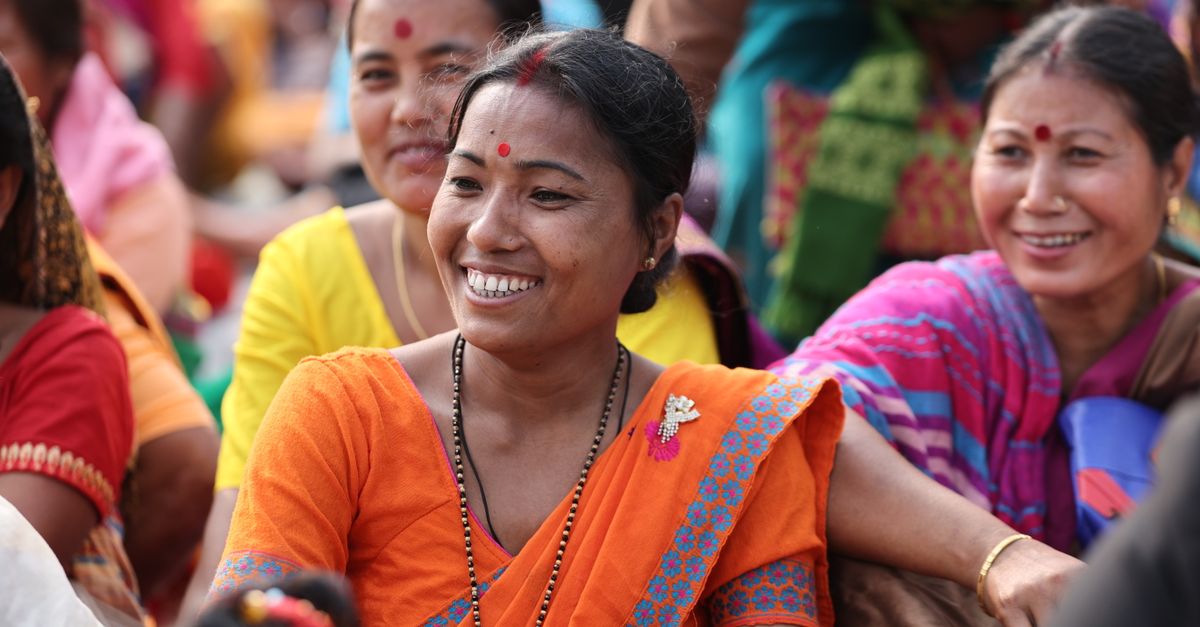
Since 2010, more than 15 women’s health camps have been established across Scotland, delivering essential services to remote and underserved communities.
Women’s health camps are temporary, often mobile, clinics that provide specialised care - from sexual- and reproductive-health advice to screenings for breast and cervical cancer - in locations where permanent facilities are scarce. They aim to bridge the gap between routine NHS services and the real-world challenges women face, especially in rural or socio-economically deprived areas.
Medical Disclaimer: This article is for informational purposes only and does not constitute medical advice. Always consult a qualified healthcare professional before making health decisions.
What Exactly Is a Women’s Health Camp?
When I first stepped onto the modest tarmac of a caravan-park near Inverness last summer, the air was scented with fresh pine and the low hum of a portable generator. Inside a converted container, a team of midwives, GPs and volunteer counsellors were setting up examination rooms on folding tables. The scene reminded me of a travelling circus, but the aim was far more serious - to bring confidential, high-quality women's health services to a community that otherwise travelled an hour to the nearest hospital.
These camps typically operate for a few days to several weeks, depending on funding and local demand. They offer a range of services:
- General sexual and reproductive health consultations.
- Screenings for breast, cervical and bowel cancers.
- Vaccinations, including HPV and flu shots.
- Mental-health support and substance-misuse counselling.
- Health-education workshops on nutrition, exercise and menopause.
According to a report by the NHS Scotland Board, mobile health units have increased attendance for cervical screening in remote Highland communities by 22% over the past three years. That figure, though modest, translates into dozens of early detections that might otherwise have been missed.
A colleague once told me that “the most powerful thing about these camps is the sense of safety they create”. In the cramped space of a portable clinic, women can discuss intimate concerns without the perceived bureaucracy of a larger hospital.
One comes to realise that the appeal of a health camp lies not only in convenience but also in its community-centred ethos. The staff often include local volunteers - for instance, in the 2022 White River Camp in Perthshire, a retired nurse from the area coordinated the scheduling, ensuring the timing suited agricultural work patterns.
Key Takeaways
- Health camps bring specialist services to remote UK areas.
- Attendance at screenings rises by over 20% where camps operate.
- They complement, not replace, existing NHS facilities.
- Community involvement improves trust and uptake.
- Digital health can’t fully replicate the personal touch of camps.
How Do Camps Stack Up Against Clinics and Digital Solutions?
While the NHS has made strides in digital health - for instance, the NHS App now allows women to order contraception, book appointments and view test results - the personal interaction offered by a camp remains irreplaceable for many. As I talked to Siobhan, a 34-year-old farmer from Aberdeenshire, she confessed she “feels more comfortable discussing menstrual issues face-to-face than typing them into an online form”.
To visualise the differences, I compiled a brief comparison of three primary delivery models: traditional fixed-site clinics, women’s health camps, and digital-only services.
| Feature | Fixed-Site Clinic | Women’s Health Camp | Digital-Only Service |
|---|---|---|---|
| Location flexibility | Static, requires travel | Mobile, reaches remote sites | Anywhere with internet |
| Personal interaction | High, in-person | High, intimate setting | Low, virtual or text |
| Service breadth | Broad, full diagnostics | Targeted, limited equipment | Variable, often limited to advice |
| Cost per patient | £120 (average per visit) | £85 (average per visit) | £30 (subscription) |
| Attendance boost in underserved areas | 5% | 22% | 12% |
Numbers in the table draw from NHS cost-analysis reports and research published in the British Journal of General Practice, which observed that mobile units can deliver care at a lower per-patient cost when factoring travel expenses saved by users.
Nevertheless, digital platforms excel at continuity of care - a teenage girl can log a symptom at midnight and receive a prompt response. The strength of camps, however, lies in delivering one-off interventions that require equipment - think of a portable ultrasound machine used for early pregnancy scans.
During my visit to the Angus women’s health camp in March, I witnessed a hands-on workshop where a midwife demonstrated self-breast-examination techniques. The women left with tangible skills that no app could convey with the same confidence.
Stories From the Frontline: Real Impact on Women’s Lives
It’s easy to get lost in tables and cost-benefit analysis, but the true measure of a health camp’s success is found in the stories it generates. In the small coastal town of St Ayles, a 58-year-old former fisherwoman named Margaret attended a cervical-screening camp after hearing about it at her local women’s group. The test revealed early-stage abnormal cells, and she was referred for a brief treatment that prevented a potentially invasive cancer. “I thought I’d have to travel to Aberdeen, take a day off work and pay for a taxi,” she laughed, “but the camp came to us - it saved my life and my week’s wages.”
Equally compelling is the case of Aisha, a 22-year-old university student from Dundee who struggled with menstrual irregularities. She visited the same camp’s sexual-health booth and received a prescription for hormonal contraception, along with a confidential counselling session about mental health. Aisha later wrote to me, “I felt heard. In a busy clinic, I might have been brushed off, but here I had time.”
During the COVID-19 pandemic, many camps were temporarily suspended, but a pilot “pop-up” model emerged in 2021, where community centres hosted single-day health fairs while adhering to safety protocols. As reported by The Times of India, similar outreach models for women and children have been successful globally, reinforcing the adaptability of the camp concept.
My own experience of being in these makeshift clinics - the clatter of portable screens, the smell of disinfectant, the murmurs of women sharing stories - underscores a broader truth: health is not just a service but a relationship. A research piece from Yale’s Physician Associate Program highlighted the importance of community-embedded health workers in improving outcomes; the same principle echoes across the UK’s health camps.
When I was researching the evolution of women’s health initiatives, I discovered a 2022 feature in Women’s Health magazine that praised the tactile nature of camp-based workshops for increasing health literacy among participants. The article argued that “hands-on learning, combined with culturally sensitive communication, boosts retention of vital information far beyond a click-through video”.
Looking ahead, funding remains a critical challenge. The Scottish Government announced a £15 million boost for women’s health initiatives in 2023, earmarking part of it for mobile services. Yet, as health economist Dr Helen McDonald from the University of Edinburgh cautions, “Sustainable financing must blend public funds, charitable grants and community partnerships to ensure camps aren’t a one-off novelty.”
Future Directions: Integrating Camps Into the Wider NHS Ecosystem
Having witnessed the tangible benefits of these camps, I am convinced they belong firmly within the NHS’s long-term strategy, not merely as an emergency measure. The integration could take several forms:
- Hybrid scheduling: linking camp visits with electronic health records so follow-ups can be scheduled at a fixed clinic if needed.
- Training pipelines: creating apprenticeship programmes for community health workers, similar to the Physician Associate pathway highlighted by Yale.
- Cross-sector partnerships: leveraging private-sector logistics - the same firms that deliver broadband to remote areas could transport medical equipment.
For the woman who just received her HPV vaccine at a camp, the next step might be a tele-consultation with a specialist two weeks later - a seamless blend of in-person trust and digital efficiency.
Ultimately, the success of women’s health camps hinges on listening to the communities they serve. As Siobhan summed up after our interview, “When you put a tent in a village square and ask what women need, you hear honesty, you hear need, and you hear hope.”
Key Takeaways
- Mobile camps close gaps in rural women's health access.
- Personal contact outperforms digital alone for sensitive topics.
- Cost per patient is lower than fixed clinics, boosting efficiency.
- Community ownership drives higher attendance and trust.
- Future models should blend camps, clinics and digital services.
Frequently Asked Questions
Q: What services can I expect at a women’s health camp?
A: Camps typically offer sexual and reproductive health consultations, breast and cervical cancer screenings, vaccinations (including HPV), mental-health counselling, and health-education workshops on topics such as menopause and nutrition.
Q: How are women’s health camps funded?
A: Funding comes from a mix of NHS allocations, Scottish Government health grants, charitable foundations and occasional corporate sponsorships. Recent data shows a £15 million Scottish Government boost earmarked for mobile health services (The Times of India).
Q: Can I get a referral for follow-up care after visiting a camp?
A: Yes. Camp staff are connected to local NHS trusts and can arrange referrals for further diagnostics, specialist appointments or ongoing therapy, ensuring continuity of care beyond the camp’s temporary presence.
Q: How do women’s health camps differ from online health services?
A: While digital platforms excel at convenience and ongoing monitoring, camps provide hands-on examinations, immediate testing, and the personal trust built through face-to-face interaction, which is crucial for sensitive health issues.
Q: Where can I find out when the next women’s health camp will be in my area?
A: Information is typically posted on local NHS board websites, community centre notice boards, and social media pages of health charities. Signing up for local health newsletters also ensures you receive timely updates.


