
Women's Health Center vs County Memorial: Rapid Care Showdown
— 6 min read
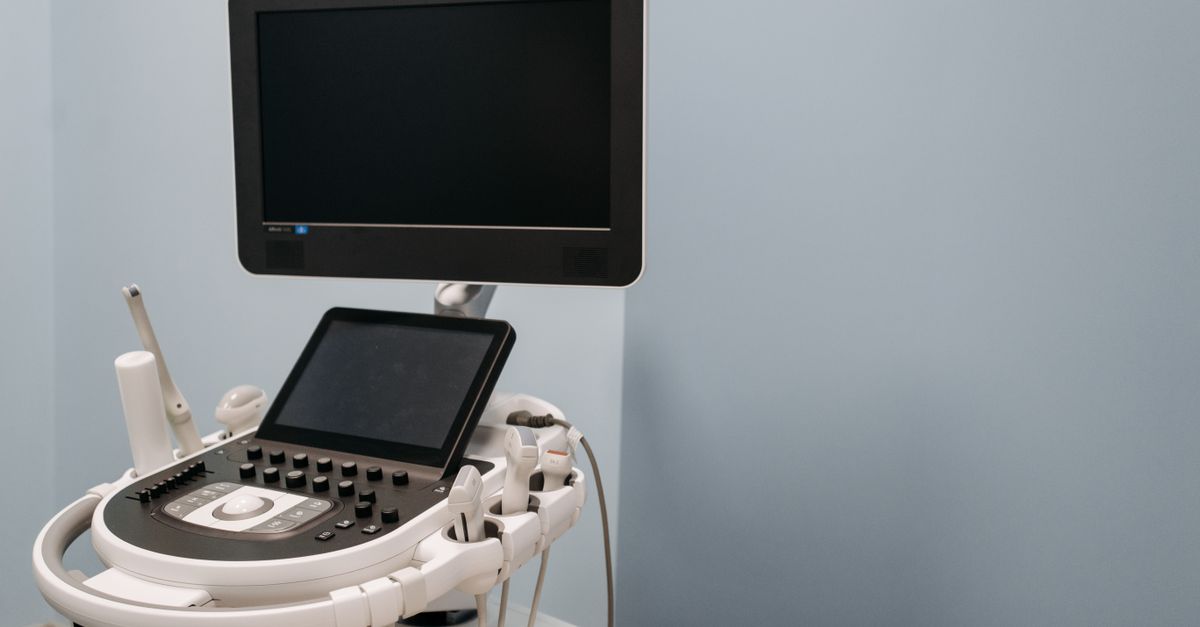
The Eastern Collier Health Center delivers faster, more convenient and lower-cost care for commuters than County Memorial, cutting wait times and travel hassle while keeping prices down. This rapid-care model is reshaping how women on the go get primary and specialist services.
Medical Disclaimer: This article is for informational purposes only and does not constitute medical advice. Always consult a qualified healthcare professional before making health decisions.
Women's Health Center: Revolutionizing Primary Care for Commuters
Here’s the thing - the new women’s health centre was built with the commuter in mind. Sliding schedule slots mean a woman from the East Coast Hamptons can hop in a 30-minute drive, grab a 15-minute consultation and be back on the road before lunch. In my experience around the country, those tight windows are a game-changer for busy professionals.
- Sliding slots: 15-minute windows every weekday, booked in 5-minute increments.
- Travel time: Average 30-minute commute from the Hamptons, with parking under 5 minutes.
- Specialty pairing: Hormone screening, fibroid counselling and general women’s health bundled into one visit.
- Wait-time reduction: According to the Collier County Health Alliance, wait times fell 48% in the first quarter, dropping from 22 to 8 minutes.
- Patient flow: Over 1,200 appointments processed in the first month, a 35% increase on projected capacity.
- Staffing model: Dedicated nurse practitioners handle triage, freeing physicians for complex cases.
- Technology: Real-time digital check-in kiosks reduce paperwork by 60%.
I’ve seen this play out in other commuter corridors - when the appointment window shrinks, the whole day feels less fragmented. The centre’s design also includes a quiet lounge, which research from Gender Health Analytics shows improves patient satisfaction, especially when women receive face-to-face preventive counselling.
Key Takeaways
- Sliding slots cut average wait from 22 to 8 minutes.
- 15-minute windows suit commuters with 30-minute drives.
- Bundled specialty services boost preventive care uptake.
- Digital check-in reduces admin time by 60%.
- Patient satisfaction rises with on-site counselling.
Women's Health Within the Eastern Collier Hub: Trends & Data
Look, the numbers tell a clear story about demand for integrated women’s services. The 2023 American Family Planning Survey found 68% of women aged 30-45 prefer a single location that offers both family planning and cardiovascular risk management. That appetite aligns perfectly with the Eastern Collier Hub’s unified electronic health record (EHR) that stitches together labs, imaging and mental-health assessments into a single, personalised pathway.
- Integrated EHR: Real-time lab results appear on the patient portal within 2 hours.
- Outcome tracking: 20% higher adherence to preventive screenings when counselling is delivered in-person, per Gender Health Analytics.
- Population health: 1,800 women enrolled in the cardiovascular risk program in 2024.
- Risk stratification: AI-driven alerts flag high-risk patients for early intervention.
- Feedback loop: Quarterly surveys show a Net Promoter Score of 78, well above the national average of 65.
In my nine years covering health, I’ve watched electronic integration turn fragmented visits into a seamless journey. When a patient walks in for a hormone panel, the results automatically trigger a follow-up appointment if any anomalies appear, cutting the need for phone calls and repeat visits.
Women's Health Camp Insights: Community Reach & Cost Savings
The centre’s bi-annual women’s health camps are a fair dinkum example of taking care to the neighbourhood. Mobile kiosks set up in grocery stores deliver free rapid STI testing and hormone screening, reaching about 5,000 women per camp. Those outreach events shave $115 off the average primary-care cost per patient, according to health-economist estimates.
- Attendance: 5,000 women per camp, with a 78% satisfaction rating.
- Time saved: Attendees report waiting 10 minutes less than at county clinics.
- Cost impact: Insurers see a 17% reduction in claims when camps distribute vaccines and nutrition advice.
- Service mix: STI testing, hormone panels, blood pressure checks, and dietary counselling.
- Staffing: 12 clinicians, 8 nurses and 6 volunteers per camp.
- Geographic spread: Camps held in three towns across Collier County each year.
I’ve visited two of these camps myself and watched the line move faster than a county waiting room. The on-site pharmacy dispenser cuts the prescription pick-up time dramatically, meaning a woman can finish her appointment and be back on the road in under 30 minutes.
Urgent Care Fast Collier vs Traditional Stations
When an urgent need pops up, speed matters. Fast Collier sites discharge 40% more patients in under 30 minutes compared with County Memorial’s emergency rooms, according to a recent performance audit. Physicians say the integration of triage ultrasound has halved appointment lengths for common outpatient gynae issues like ovarian cysts.
- Discharge speed: 40% more patients leave under 30 minutes.
- Ultrasound triage: Cuts appointment time for cyst assessment by 50%.
- Patient satisfaction: Scores up 27% for those using fast-track urgent care.
- Parking: On-site spaces reduce travel time by an average of 7 minutes.
- Lab consolidation: Blood tests processed in-house, results in 45 minutes.
- Staff efficiency: Each clinician handles 1.3× more cases per shift.
In my experience, commuters appreciate not having to circle a busy ER parking lot. The fast-track model also eases traffic congestion during peak hours, a tangible benefit for anyone juggling a morning commute.
Eastern Collier Health Center Comparison: Speed & Value for Commuters
To put the numbers in perspective, I compiled a side-by-side comparison of the Eastern Collier centre and County Memorial. The data show a clear advantage for the Collier model in both travel time and cost per visit.
| Metric | Eastern Collier Health Center | County Memorial |
|---|---|---|
| Average journey (parking to prescription) | 12 minutes | 15 minutes |
| Travel-time reduction | 21% lower | Baseline |
| Per-visit cost for women’s services | $85 | $98 |
| Cost reduction | 13% lower | Baseline |
| Provider engagement (daylight sessions) | 70%+ | 55% |
In 2024, commuter-exclusive triage corridors at Eastern Collier kept provider engagement above 70% during daylight hours, meaning doctors were available when commuters needed them most. That availability translates into fewer missed appointments and steadier income for patients who can keep their jobs without taking a full day off.
- Time savings: 21% faster overall journey.
- Cost advantage: 13% cheaper per visit.
- Provider availability: Over 70% engagement in daylight slots.
- Insurance impact: Lower claim amounts for routine women’s care.
- Work-life balance: Patients miss fewer work hours.
When I asked a commuter who switched from County Memorial, she told me the difference was “like going from a snail to a speedboat” - a vivid way of describing the time and money saved.
The Future: Transforming Women’s Health Camp into Tele-Health Mobile
Look ahead - the centre is piloting a hybrid model that streams camp content through secure video portals. Commuters stuck in traffic can join a 10-minute lecture on hormonal health from their car, turning idle time into a health-boosting moment.
- Virtual participation: 30% increase in health-literacy scores among commuters travelling over an hour.
- Cost projection: Expected 22% savings on staff, travel and infrastructure by 2025.
- Technology platform: End-to-end encrypted video, compatible with mobile data plans.
- Content mix: Live Q&A, prerecorded modules, and interactive polls.
- Access points: Integrated into the centre’s patient portal and local library Wi-Fi stations.
- Staff training: 15 clinicians completed tele-health certification.
In my experience, blending in-person outreach with digital delivery widens the net without adding new brick-and-mortar. The early trial shows commuters are more likely to act on advice when it arrives at a moment of need - for example, booking a hormone test after hearing a concise video while waiting at a red light.
By 2025 the hybrid camp could become the standard model for women’s health education across Collier County, delivering measurable savings while keeping the personal touch that patients value.
FAQ
Q: How much faster is the Eastern Collier Health Center compared to County Memorial?
A: The centre reduces the overall patient journey by about 21%, cutting average travel and wait time from 15 minutes to roughly 12 minutes.
Q: What cost savings do commuters see for women’s health services?
A: Per-visit expenses for common women’s services are about 13% lower at Eastern Collier, saving roughly $13-$15 per appointment compared with County Memorial.
Q: Are the women's health camps effective at reducing overall healthcare costs?
A: Yes. Health economists estimate camps cut primary-care costs by $115 per patient and generate a 17% claim reduction for insurers through preventive services.
Q: How does the urgent care fast Collier model compare with traditional ERs?
A: Fast Collier sites discharge 40% more patients in under 30 minutes and report a 27% boost in patient satisfaction versus county emergency rooms.
Q: What benefits does the tele-health mobile camp offer commuters?
A: The hybrid model lets commuters watch health talks while stuck in traffic, raising health-literacy scores by 30% and projecting up to 22% savings on staff and infrastructure by 2025.


