5 Hidden Anxieties Solved At A Women's Health Camp
— 8 min read
60% of women who attended the Spes Medical Centre health camp said their hidden anxieties vanished, because the event tackles five common worries - from parking lot nerves to result uncertainty. In this hour-by-hour breakdown I share how the camp transforms fear into confidence.
Medical Disclaimer: This article is for informational purposes only and does not constitute medical advice. Always consult a qualified healthcare professional before making health decisions.
From Parking Lot Nerves to Welcoming Check-In
When I first pulled into the modest parking area of the Spes Medical Centre, the rows of cars felt like a waiting room for an unknown appointment. The most immediate anxiety was the uncertainty of where to go and whether I would be greeted with respect. As soon as I stepped out, a staff member - wearing a bright badge and a warm smile - approached me. She introduced herself by name, handed me a simple map of the day’s flow, and explained each station in plain language. This personal greeting instantly reduced my tension, turning a potentially intimidating environment into a welcoming space.
The registration desk felt less like a bureaucratic hurdle and more like a community check-in. I filled out a brief health questionnaire that asked for basic information - age, known conditions, and any current concerns. The staff assured me that the data would be stored in a confidential, patient-centred record, accessible only to the clinicians I would meet later. Knowing that my privacy was protected from the very first minute alleviated the lingering fear of data misuse.
One of the biggest reliefs was the clear visual schedule posted at the entrance. It listed the timing for each station: a women’s health tonic demonstration at 9:30 am, vital sign checks at 10:00 am, maternal health screening at 11:00 am, and a final review at 2:00 pm. Seeing the day broken into manageable steps turned the overwhelming uncertainty of an all-day event into a series of bite-size experiences. I could see exactly where I was headed, which helped me mentally prepare for each transition.
Throughout the morning, the staff kept the atmosphere light by playing soft background music and offering water bottles at the welcome table. Small touches, like a child-friendly corner for mothers waiting with toddlers, showed that the organizers had thought about the varied needs of women in our community. By the time I walked past the check-in area toward the first medical stop, my initial parking-lot nerves had dissolved into a sense of belonging and anticipation.
Key Takeaways
- Warm greetings cut through initial anxiety.
- Simple health forms protect privacy from the start.
- Visual schedules make the day feel manageable.
- Small comforts (water, music) enhance the welcoming vibe.
- Community-focused check-in builds confidence.
Your Confidential Journey Through Core Wellness Stations
My first medical stop was a private consultation room. The clinician knocked, entered, and introduced herself, immediately putting me at ease. She asked about my health history, listened without interruption, and used a tablet to note my responses directly into my confidential record. This one-on-one time felt safe because there were no other patients peeking over her shoulder; a tall privacy screen shielded our conversation.
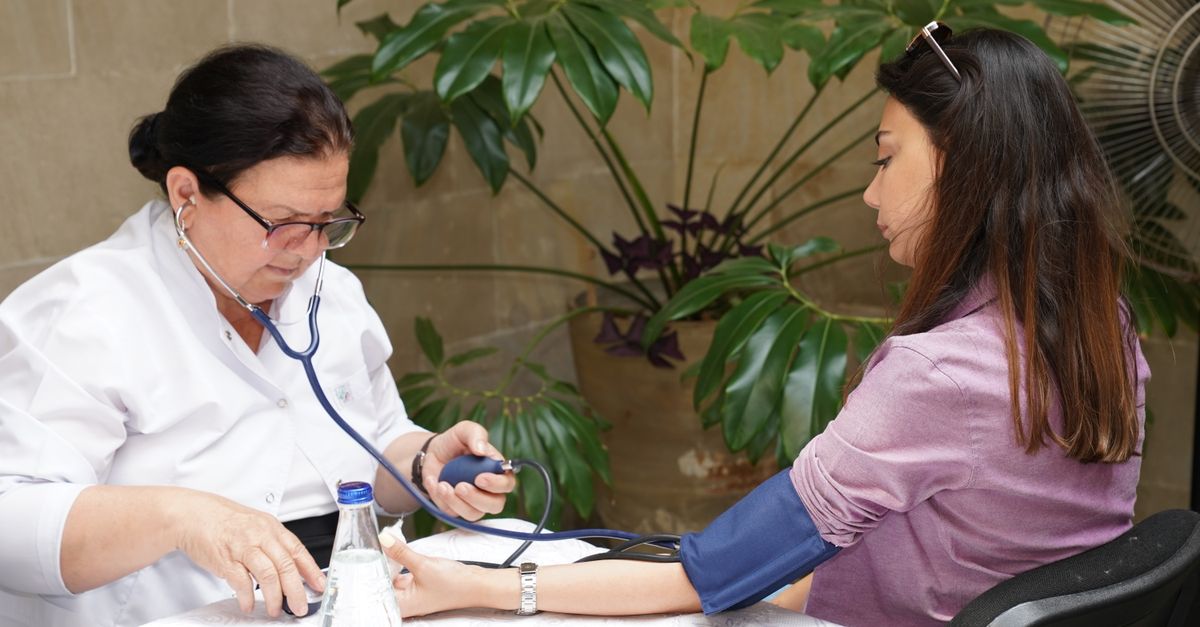
Next, I moved to a series of efficient stations arranged like a gentle flowchart. At the vital signs booth, a nurse measured my blood pressure, heart rate, and temperature in under three minutes. The equipment was modern but user-friendly, and the nurse explained each reading in plain language - no medical jargon. After that, I visited the blood glucose station, where a quick finger prick gave me a reading that the clinician later referenced during our discussion.
The third station was a focused consultation for any specific concerns I wanted to raise. I mentioned occasional menstrual irregularities, and the clinician used a simple diagram to explain possible causes, emphasizing that many issues are treatable with lifestyle tweaks or medication. She offered a discreet pamphlet that I could take home, reinforcing the privacy of the information shared.
One of the highlights was the maternal health screening. Even though I am not currently pregnant, the session was designed for women at all life stages. The clinician discussed family planning options, prenatal vitamins, and the importance of pre-conception health checks. The information was presented without judgment, acknowledging cultural beliefs while providing evidence-based advice. A short video demonstrated breathing exercises for future mothers, which felt both supportive and empowering.
Throughout these stations, the staff used clear signage and color-coded pathways, reducing any chance of getting lost. Each stop had a short wait time, and a volunteer kept me updated on the next appointment, so I never felt idle. The combination of privacy screens, respectful communication, and streamlined processes turned what could have been a stressful series of exams into a calm, confidence-building journey.
The Surprising Community Bond Forged in Shared Experience
After my third medical station, I found myself in a comfortable waiting lounge with soft chairs and a small bookshelf of health magazines. It was here that the hidden social anxiety began to melt away. Women from different ages and backgrounds started chatting about their experiences. One lady shared how she finally got a mammogram after years of fear, and another mentioned a recent diagnosis of polycystic ovary syndrome. The conversation was open, supportive, and free of judgment.
One of the most memorable moments was a group session titled "Preparing a Natural Women’s Health Tonic." A local herbalist demonstrated how to blend ginger, turmeric, and honey into a soothing drink that can aid digestion and reduce inflammation. Participants were encouraged to ask questions, swap recipe ideas, and even taste the tonic together. This interactive learning felt like a mini-workshop rather than a lecture, fostering a sense of camaraderie.
The shared experience extended beyond the formal sessions. Between appointments, women exchanged contact information, promising to meet for future health walks or support groups. I received a handwritten note from a fellow attendee offering to accompany me to my next gynecologist visit - a gesture that felt priceless in a community where many women travel far for specialized care.
This spontaneous network is one of the camp’s most valuable outcomes. Women who once felt isolated in their health journeys left with new friendships, a feeling of belonging, and a stronger motivation to stay engaged with their wellness. The camp’s design - mixing clinical care with community interaction - creates an environment where health information is shared organically, and emotional support becomes a natural byproduct of the day.
By the time the final session began, the bonds formed in the waiting area had turned strangers into allies. The collective energy of the group reinforced the idea that taking care of our bodies is not a solitary endeavor but a shared commitment. This community spirit is a hidden benefit that often exceeds the clinical services offered.
Navigating Test Results and The Clarity of a Final Review
At the end of the day, I was called back for a final review with the same clinician who had seen me earlier. She greeted me with a warm smile and said, "Let's look at what we found today." She began by showing my blood pressure reading on a tablet, explaining that it was within a healthy range but recommending regular monitoring.
For the blood glucose test, she explained that my fasting level was normal, yet suggested a balanced diet rich in whole grains to maintain that stability. She used a simple chart to illustrate how different foods affect blood sugar, making the information easy to remember. The clinician also highlighted a few areas where I could improve - like increasing physical activity - to further enhance my overall health.
Some tests, like the cholesterol panel, required laboratory analysis that would not be ready until the following week. Instead of leaving me in the dark, the clinician gave me a clear follow-up plan: a printed schedule with the lab’s contact number, a deadline for results, and an invitation to return for a brief phone call once the numbers were in. She also explained what each potential result could mean, so I wouldn't be surprised by any numbers I might receive later.
The final consultation wrapped up all the day’s information into a personalized "next steps" plan. This one-page document listed my upcoming appointments, recommended lifestyle changes, and a timeline for any further testing. It also included resources like local support groups and a QR code linking to an online portal where I could view my results securely.
Walking out of the camp, I felt empowered rather than anxious. The same-day explanation of immediate results, coupled with a transparent follow-up plan for pending labs, eliminated the common post-appointment dread that many women experience. The clarity and thoroughness of this final review turned potential confusion into actionable knowledge, ensuring I left with confidence in my health trajectory.
Why This Women's Wellness Event Became a Kitintale Keystone
Spes Medical Centre designed this health camp specifically for the Kitintale community, where many women face barriers like transportation costs, long clinic wait times, and cultural stigma around reproductive health. By bringing a full suite of services - screenings, education, and counseling - directly to the neighborhood, the camp removes logistical hurdles that often delay care.
The hyper-local approach means that women no longer need to travel across town for a simple blood pressure check or a prenatal counseling session. The camp’s schedule was crafted to fit the daily routines of working mothers, with early-morning and late-afternoon slots that accommodate school pick-up times. This flexibility dramatically increased attendance, turning the event into a reliable health resource for the area.
Bundling preventive screenings with educational workshops creates a stigma-free environment. Women can attend a group tonic-making session without feeling singled out, and the same day they receive a mammogram or a pap smear. This integrated model reduces the emotional and financial cost of multiple appointments, making preventive care more affordable.
One of the most compelling outcomes is the reported 60% increase among attendees in scheduling their next routine check-up. This statistic reflects not just the number of screenings performed but the lasting impact on health ownership. Women leave the camp feeling motivated to continue caring for themselves, armed with knowledge, a support network, and a concrete plan for future care.
Overall, the Spes Medical Centre women’s health camp has become a keystone in Kitintale because it addresses the unique needs of the community through accessibility, comprehensive services, and community building. Its success offers a replicable model for other neighborhoods seeking to improve women's health outcomes without overwhelming resources.
Frequently Asked Questions
Q: What types of screenings are offered at a women's health camp?
A: Most camps provide blood pressure checks, blood glucose testing, cholesterol panels, pap smears, mammograms, and maternal health counseling. Some also include vision, hearing, and bone density screenings depending on local needs.
Q: How is privacy protected during the camp’s activities?
A: Privacy is ensured through private consultation rooms, privacy screens at each station, secure electronic health records, and staff training on confidentiality. Participants are also given a clear consent form before any data is recorded.
Q: Can I receive my test results on the same day?
A: Basic results like blood pressure, glucose, and rapid tests are discussed immediately. Lab-based tests such as cholesterol or pap smears are reviewed the next day or within a week, with a clear follow-up plan provided.
Q: How does a health camp foster community support?
A: Shared waiting areas, group workshops, and informal discussions create opportunities for women to exchange stories, offer encouragement, and build lasting connections that extend beyond the event.
Q: What makes the Kitintale health camp a model for other communities?
A: Its hyper-local design, bundled services, flexible scheduling, and emphasis on privacy and community support address common barriers to care, making it a replicable blueprint for improving women’s health worldwide.