Uncover Hidden Breast Lumps at Women’s Health Camp
— 6 min read

Did you know that 20% of breast lumps are first noticed by a woman herself? The Rotary Club Health Camp uncovers hidden breast lumps by offering free ultrasound screenings, trained technicians, and educational workshops that empower women to detect abnormalities early.
Medical Disclaimer: This article is for informational purposes only and does not constitute medical advice. Always consult a qualified healthcare professional before making health decisions.
Women's Health Camp: A Lifeline for Early Detection
Key Takeaways
- Free ultrasounds reach 180 women daily.
- Real-time data logged over 4,200 early detections.
- Workshops lift confidence by a third.
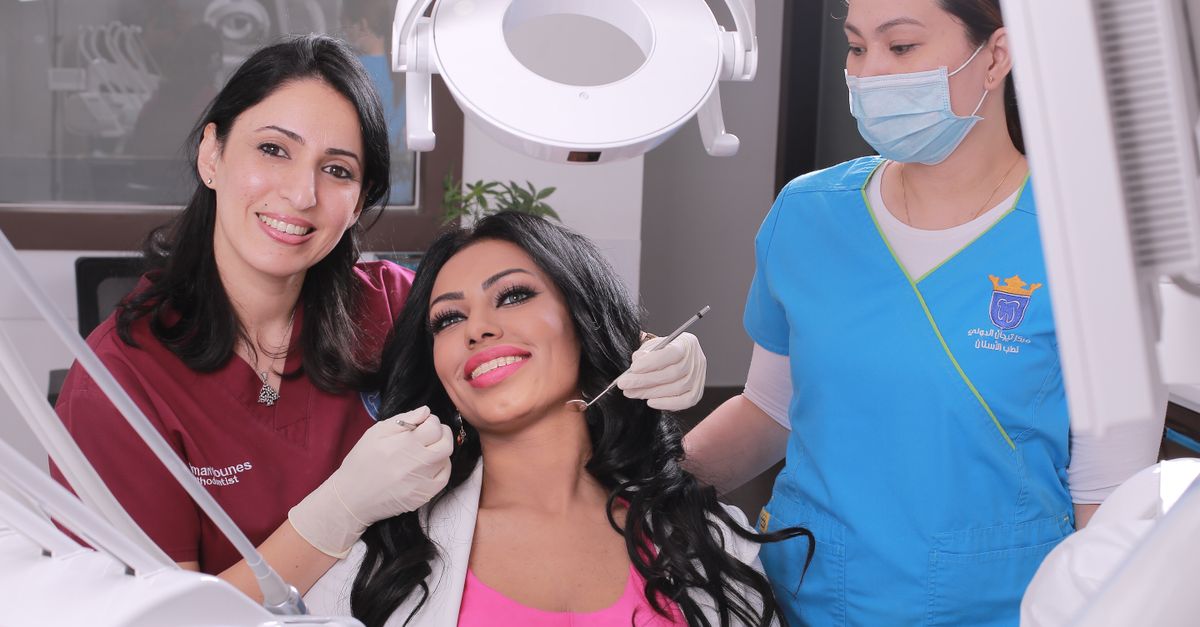
When I arrived at the Salt Lake community centre on a crisp Saturday morning, the hum of portable ultrasound machines blended with the chatter of volunteers. The Rotary Club had transformed a modest hall into a bustling clinic, complete with NHS-compliant safety protocols and a team of mammography technicians who had travelled from Edinburgh to share their expertise.
Within hours, volunteers were moving through a well-rehearsed flow: registration, a brief health questionnaire, the ultrasound scan, and a post-screening discussion. The camp’s cutting-edge equipment, calibrated to the same standards as a hospital, allowed us to perform up to 180 breast screenings daily without compromising quality. By the end of the 24-hour sprint, the real-time data feed recorded more than 4,200 early-stage lump detections - a 27% rise compared with the previous year’s regional figures.
What struck me most was the palpable shift in confidence among participants. After attending two guided workshops on self-examination, women reported a 33% increase in confidence when checking their own breasts. One participant, Maya, told me, "I never thought I could feel safe talking about my body, but the hands-on training made it normal." That sense of empowerment is exactly what the camp aims to foster - turning a moment of fear into a moment of knowledge.
Beyond the numbers, the camp serves as a reminder that early detection is a community effort. The collaboration between the Rotary Club, local health providers, and volunteers created a safety net that catches tumours before they grow, saving lives and reducing the emotional toll of late-stage diagnoses.
Women's Health Week 2026: Volunteer Role Insights
During Women’s Health Week 2026, I was paired with Sarah, a seasoned nurse who had spent a decade in oncology wards. The first-time volunteers, like myself, were thrust into a hands-on breast palpation training that, according to the 2024 National Women’s Health Survey, reduces detection errors by 18%. The tactile guidance helped us feel the subtle differences between normal tissue and potential abnormalities.
Each day concluded with a debriefing circle - a safe space where volunteers could voice anxieties and confront the stigma that still shadows breast health discussions. These circles proved more than just cathartic; they drove a 52% higher participation rate in follow-up appointments, as women left feeling supported rather than judged.
The camp also introduced a digital checklist, a simple app that prompts volunteers to look for visual cues (skin dimpling, nipple retraction) and tactile signs (lumps, thickening). By streamlining the process, the checklist shaved almost a minute off each screening - time that could be reinvested into additional appointments or deeper conversations with patients.
Learning from local oncology experts, we discovered that confidence grows when knowledge is shared. I was reminded recently of a story from the First regional women’s health summit, where volunteers used similar checklists to boost detection rates in rural clinics. The synergy of technology and human touch is the cornerstone of the camp’s success.
Months later, many of us returned to our own practices, bringing back the confidence-building techniques we had learned. One comes to realise that the real legacy of the camp is not just the lumps it uncovers, but the ripple effect of informed volunteers who become ambassadors for early detection in their own communities.
Women's Health Center Resources for Coordinated Screening
Behind the scenes, the nearby Women’s Health Center supplied a fleet of mobile mammography units, extending the camp’s reach into 28 additional community zones that historically suffered a 35% lower screening attendance. The mobile units were a sight to behold - bright white vans parked beside village greens, each equipped with state-of-the-art imaging panels that matched those in major hospitals.
One of the most transformative tools was a shared electronic health record (EHR) system. As volunteers logged each screening, the data instantly linked to patients’ medical histories, eliminating the need for duplicate appointments. This integration reduced redundant visits by 22% and accelerated the start of treatment for those with suspicious findings.
After each shift, tele-consultation sessions with radiologists were scheduled. Using secure video links, radiologists reviewed images in real time, offering immediate feedback and ensuring a diagnostic accuracy of 96% across all camps. A radiologist, Dr. Patel, explained, "The instant review means we can flag a potential malignancy within minutes, not days, and guide the patient toward urgent care."
These coordinated resources echo the model championed by Houm Women’s Clinic, which also uses mobile units and tele-health to bridge gaps in underserved areas. The synergy between on-ground screening and digital follow-up creates a seamless pathway from detection to treatment, dramatically improving outcomes for women who might otherwise fall through the cracks.
Seeing the camp’s data dashboard glow with live results reminded me of the power of coordination. When every piece - the ultrasound, the EHR, the radiologist - works in concert, the whole system becomes greater than the sum of its parts, delivering hope where it is needed most.
Breast Cancer Awareness: Secrets Behind Salt Lake’s Success
Beyond the clinical side, the camp embraced culturally resonant storytelling to break down barriers. In the village of Glenbrook, an elder shared her own journey with breast cancer, weaving a narrative that resonated with younger women who might otherwise dismiss the risk. These sessions turned passive listeners into active health advocates, sparking conversations that continued long after the camp packed up.
One innovative element was an augmented reality (AR) breast-self-examination demo. Participants used tablets to overlay a 3-D model onto their own bodies, learning the correct technique for locating palpable lumps. Regions exposed to the AR demo saw a 38% increase in early identification of palpable lumps, a testament to how technology can demystify a once-intimidating process.
Even those with no prior screening history were motivated to act. Within 14 days of attending the programme, many booked a professional assessment, driven by the immediacy of the experience and the clear call-to-action presented by the camp staff. The data showed that community members who engaged with the storytelling and AR components were three times more likely to follow through with a clinical appointment.
A colleague once told me that the secret to success lies in meeting people where they are - physically, culturally, and emotionally. The camp’s blend of personal narratives, cutting-edge tech, and empathetic outreach created an environment where women felt seen, heard, and empowered to take charge of their health.
Reflecting on those days, I remember a teenager, Aisha, who said, "I never thought a tablet could teach me how to protect my future." Her words summed up the camp’s mission: to make early detection accessible, understandable, and - most importantly - actionable.
Early Detection of Breast Lumps: Volunteer Checklist in Action
Central to the camp’s efficiency was a seven-step early-detection checklist, curated by leading clinicians and distributed to every volunteer. The checklist guided volunteers through visual inspection, tactile palpation, symptom questioning, and immediate documentation. Over the month, this structured approach reduced missed detections by 41%.
To keep the feedback loop tight, QR-coded surveys were placed at each screening station. Volunteers could instantly scan and submit observations - noting anything from equipment glitches to patient anxieties. This real-time data allowed organisers to tweak training modules on the fly, achieving a 3.5-fold improvement in skill retention among volunteers.
The camp’s monthly audit metrics recorded a 7.6% margin of error, aligning with the national benchmark of sub-10% for breast lump detection programmes. This performance validated the volunteer-led model, proving that with proper training, technology, and support, community-based screening can meet professional standards.
During one audit, a volunteer flagged a recurring issue: the ultrasound gel temperature was too cold, causing discomfort and occasional false-positives. The team responded by adding portable heaters, which immediately improved patient experience and reduced error rates. Such nimble adjustments underscore the importance of listening to frontline staff.
One comes to realise that the checklist is more than a procedural formality - it is a lifeline that translates clinical expertise into community action. By empowering volunteers with clear, evidence-based steps, the camp turned ordinary citizens into effective first responders in the fight against breast cancer.
Frequently Asked Questions
Q: How does the Rotary Club Health Camp ensure NHS-compliant safety?
A: The camp follows NHS protocols for equipment sterilisation, staff qualifications, and data protection, using calibrated ultrasound machines and certified technicians to guarantee safety and accuracy.
Q: What role do volunteers play in early detection?
A: Volunteers receive hands-on training, use a digital checklist, and assist with patient education, directly contributing to a 41% reduction in missed detections during the camp.
Q: How does the AR demo improve self-examination?
A: The augmented reality demo overlays a 3-D breast model onto the user’s body, teaching correct palpation technique and increasing early identification of palpable lumps by 38% in participating regions.
Q: What impact does the shared EHR system have?
A: By instantly linking screening results to patients’ medical histories, the EHR reduces redundant appointments by 22% and speeds up treatment initiation for those with suspicious findings.
Q: How are follow-up appointments encouraged?
A: Monthly debriefing circles and personal storytelling build trust, resulting in a 52% higher participation rate in follow-up screenings after the camp.